EV Range Dropping in Cold Weather? Build a Clear Comparison
Compare similar trips, check charging and preconditioning settings, and use evidence before assuming the battery needs repair.
A lower range estimate on a cold morning does not, by itself, establish that an electric vehicle needs a replacement battery. Temperature and how the vehicle is used can change the distance available from a charge. The useful question is what changed, under what conditions, and whether there are other symptoms that need assessment.
For EV owners in Bolton and Caledon preparing for colder weather, a few clear records can make that conversation much more productive. Record the conditions and actual journey before drawing a conclusion from one dashboard number. This is about understanding normal use, not driving the battery down to test its limits.
Separate the estimate from what happened on the trip
Write down the starting charge percentage, displayed range, distance travelled and ending charge percentage. Include the approximate outside temperature and whether the car had been parked outside overnight. Take notes or photographs only while safely parked.
The range display is a planning aid, not a battery-health test. Ford Canada's range information explains that actual range varies with environmental conditions, vehicle use, maintenance and battery condition. A change in the estimate therefore needs context before it can support a diagnosis.
Avoid comparing a fully charged summer departure with a partially charged autumn departure. Also check whether the charging target was changed. A vehicle that stopped at its selected target presents a different question from one that failed to complete the requested charging session. Tell the shop which situation you observed.
Build a comparison from similar journeys
Choose ordinary trips you already make and record the relevant differences. A local errand and a highway journey are not interchangeable comparisons. Include any trailer, roof-mounted load or unusual cargo, and note whether the route or traffic pattern changed.
Ford identifies speed, acceleration and towing as factors affecting EV range. That does not mean a driver should disregard an unexplained change. It means those details belong in the evidence, alongside the weather and starting charge, so the vehicle is not judged against an unrelated journey.
If the vehicle provides an energy-use summary, save it with the trip notes. Preserve the units shown on the screen rather than rewriting them from memory. If you are unsure what a number represents, ask the technician to explain it. Do not combine figures from different screens as though they necessarily measure the same thing.
Check what preconditioning means for your vehicle
The U.S. Department of Energy describes preconditioning as warming the cabin and battery before departure on vehicles that support the feature. Its cold-weather guidance recommends doing this while charging. Follow your vehicle's instructions for the available functions, connection requirements and departure schedule.
Do not assume that remote cabin heating, scheduled departure and preparation for fast charging are identical features. Look up the exact function you are using. Confirm whether a saved schedule applies to the correct day and departure time, especially if your routine recently changed.
Include this information in your comparison: was preconditioning enabled, was the vehicle connected and did the schedule match the trip? A setting that was never activated is a different issue from a feature that reports an error. There is no need to guess which applies when a parked screenshot or a note can preserve the details.
Keep comfort and visibility in the decision
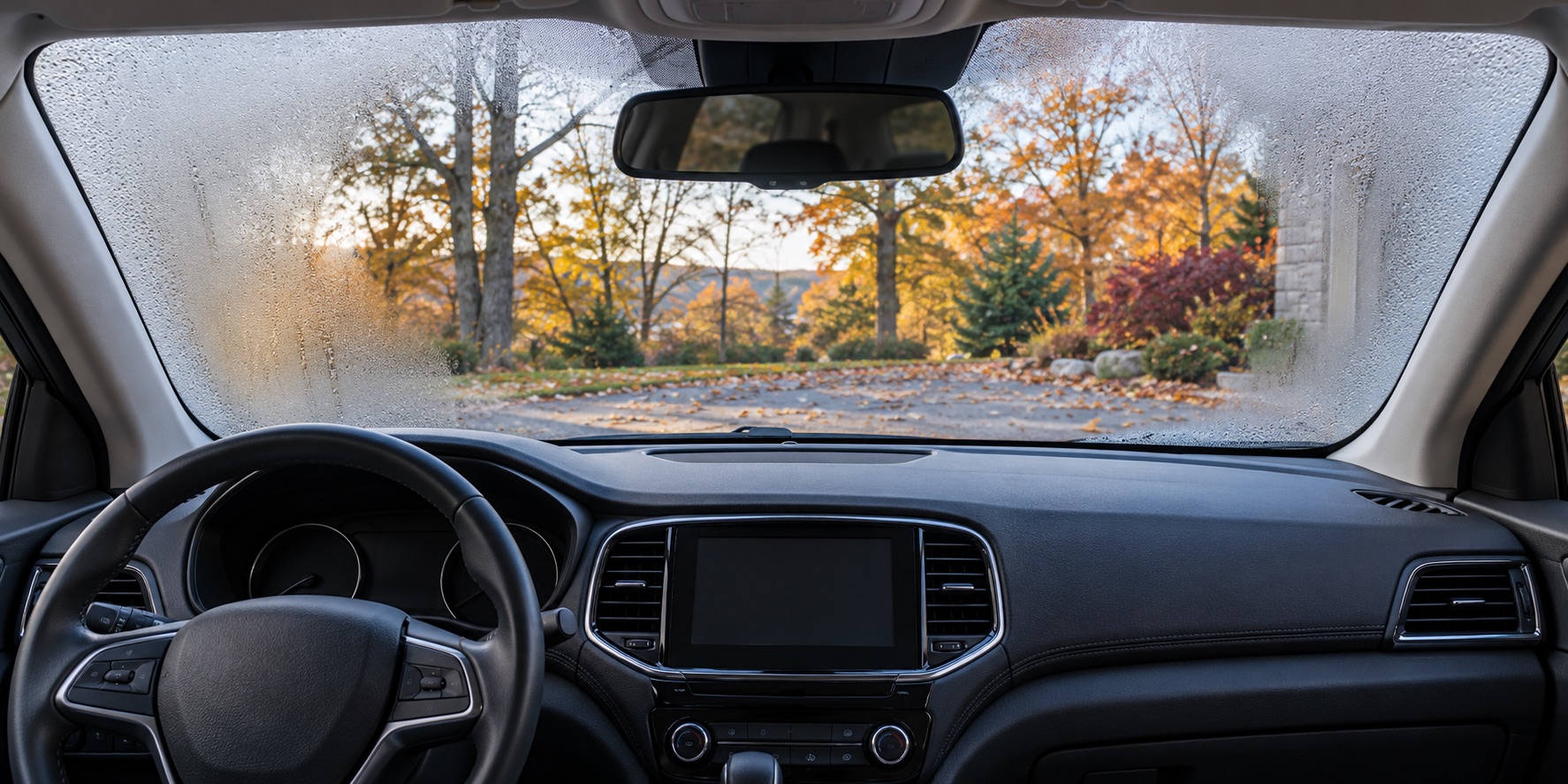
Range planning should not involve driving with fogged windows or uncomfortable conditions that distract you. Use the climate system as needed to maintain a clear view and safe operation. Record those settings rather than turning everything off merely to produce a more flattering range figure.
If heating or defrosting is not working as expected, describe that as a separate symptom. “The range estimate is lower and the cabin does not warm normally” is more useful than “the battery is bad.” Mention any warning messages and whether the concern began suddenly or developed gradually.
Likewise, explain whether the vehicle's behaviour changed after a service visit, software update or seasonal tire change. Timing does not prove causation, but it helps build an accurate history. Keep the relevant invoice or notification rather than relying on an approximate recollection later.
Plan charging with room for changes
Before a longer trip, plan charging stops appropriate to the vehicle and route, and allow for delays or a station being unavailable. Check compatibility and current station information through the services you use. A familiar summer itinerary should be reviewed when conditions change.
Follow the manufacturer's charging-target guidance for your battery and journey. There is no single daily percentage recommendation that fits every EV. The important preparation is knowing what your vehicle requires and confirming that the planned charge actually completed before departure.
If you encounter a charging problem, record the station, connector, starting charge and exact message. Note whether it happened at one location or more than one. Do not repeatedly use damaged equipment or attempt electrical repairs. Report equipment concerns to the operator and seek vehicle assistance when needed.
Recognize when a range concern needs assessment
Do not dismiss warning messages, an inability to charge or a substantial unexplained change simply because the weather is cooler. Follow the vehicle's instructions for any warning, and arrange assistance if it cannot be operated safely. A seasonal explanation should not be used to override an explicit fault message.
When booking, provide the year, model, battery version if known, relevant service history and your trip records. Ask whether the requested assessment is appropriate for the vehicle and whether any manufacturer-specific support is needed. Do not assume every warning calls for the same test or repair route.
Ask what the findings establish before authorizing parts. If a battery-health concern is proposed, request an explanation of the evidence and how it relates to the symptom. Keep estimated range, measured energy use and a documented battery assessment distinct in the discussion.
You can review our vehicle service information or contact Albion Auto Service to discuss the concern and the appropriate next step. Clear records help separate changing conditions from a fault and support diagnosis before replacement decisions.
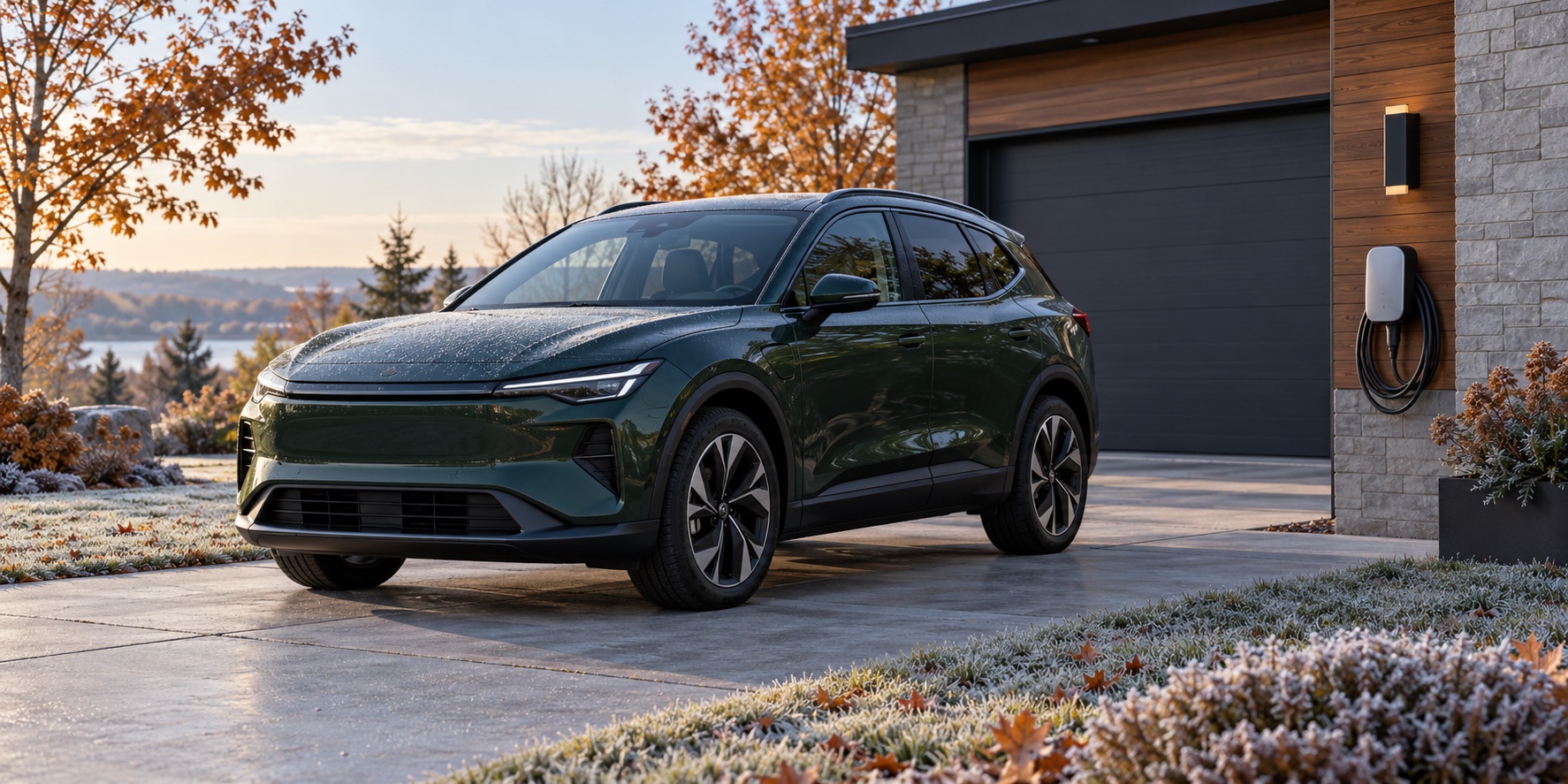
Featured image: AI-generated illustration of a generic parked electric vehicle and home charging unit. It is not an Albion Auto shop or customer photograph and does not demonstrate a charging installation or procedure.
Common questions
Does a lower range estimate prove battery damage?
No. The estimate needs context, including starting charge, temperature and vehicle use. A battery assessment requires appropriate evidence.
Should I disable defrost to save range?
Do not compromise visibility. Use the climate system as needed for safe operation and plan charging accordingly.
What information helps with a range assessment?
Record starting and ending charge, distance, weather, charging completion, settings and exact warning messages during normal use.