
Tire Rotation: Check Fitment and Wear Before Moving Tires
The right rotation starts with suitable fitment, a condition check and a clear record of any wear or handling concern.
Read article ↗ Bolton · Since 1998Speak with the shop905-857-8413Book service
 REPAIR ADVICE
Diagnostics, maintenance and seasonal advice for drivers in Bolton and the surrounding area.
The right rotation starts with suitable fitment, a condition check and a clear record of any wear or handling concern.
Read article ↗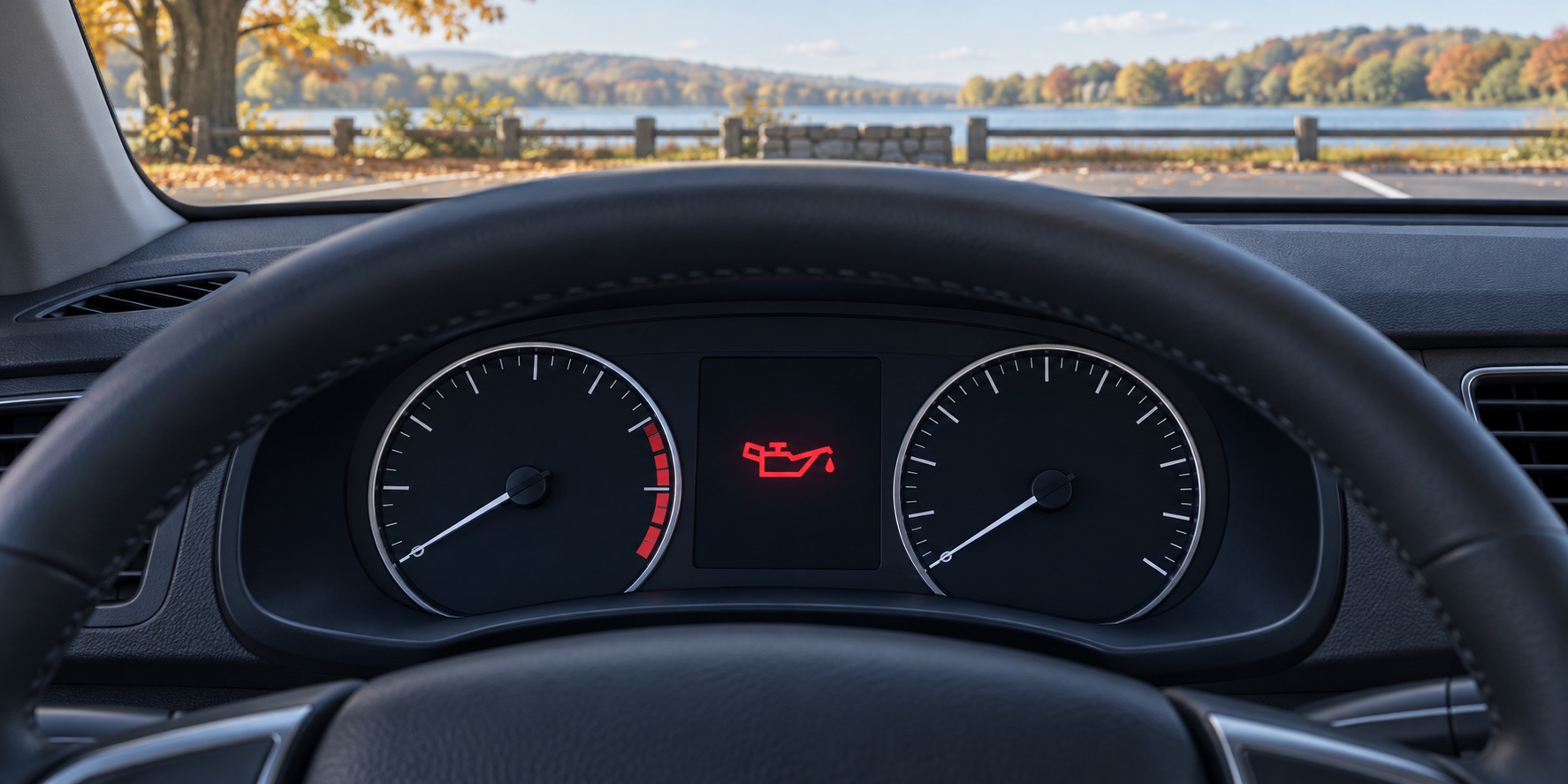
Identify the exact warning, follow the stop-engine instructions and use diagnostic evidence before selecting replacement parts.
Read article ↗
Check what is actually in your car emergency kit, replace missing supplies and make sure every driver knows where to find it.
Read article ↗
Track litres and distance, note changes in driving conditions and investigate symptoms before guessing at replacement parts.
Read article ↗
Check the operating instructions, photograph the clearing pattern and establish the cause before replacing rear glass or controls.
Read article ↗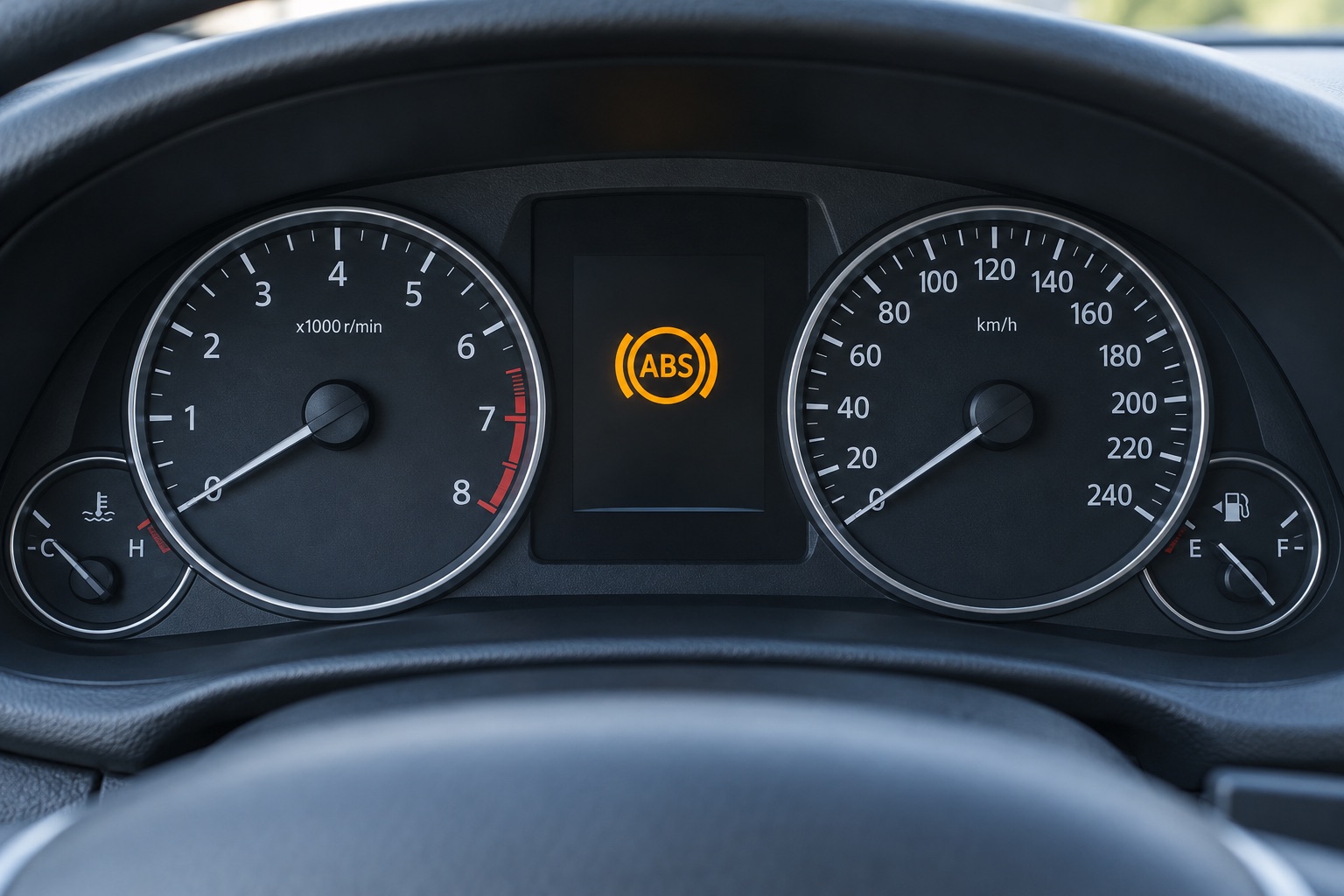
Record the exact warning, report any braking change and ask what testing confirms before approving a sensor or module replacement.
Read article ↗
Describe the conditions, include tire history and ask how the source was confirmed before approving a wheel-bearing repair.
Read article ↗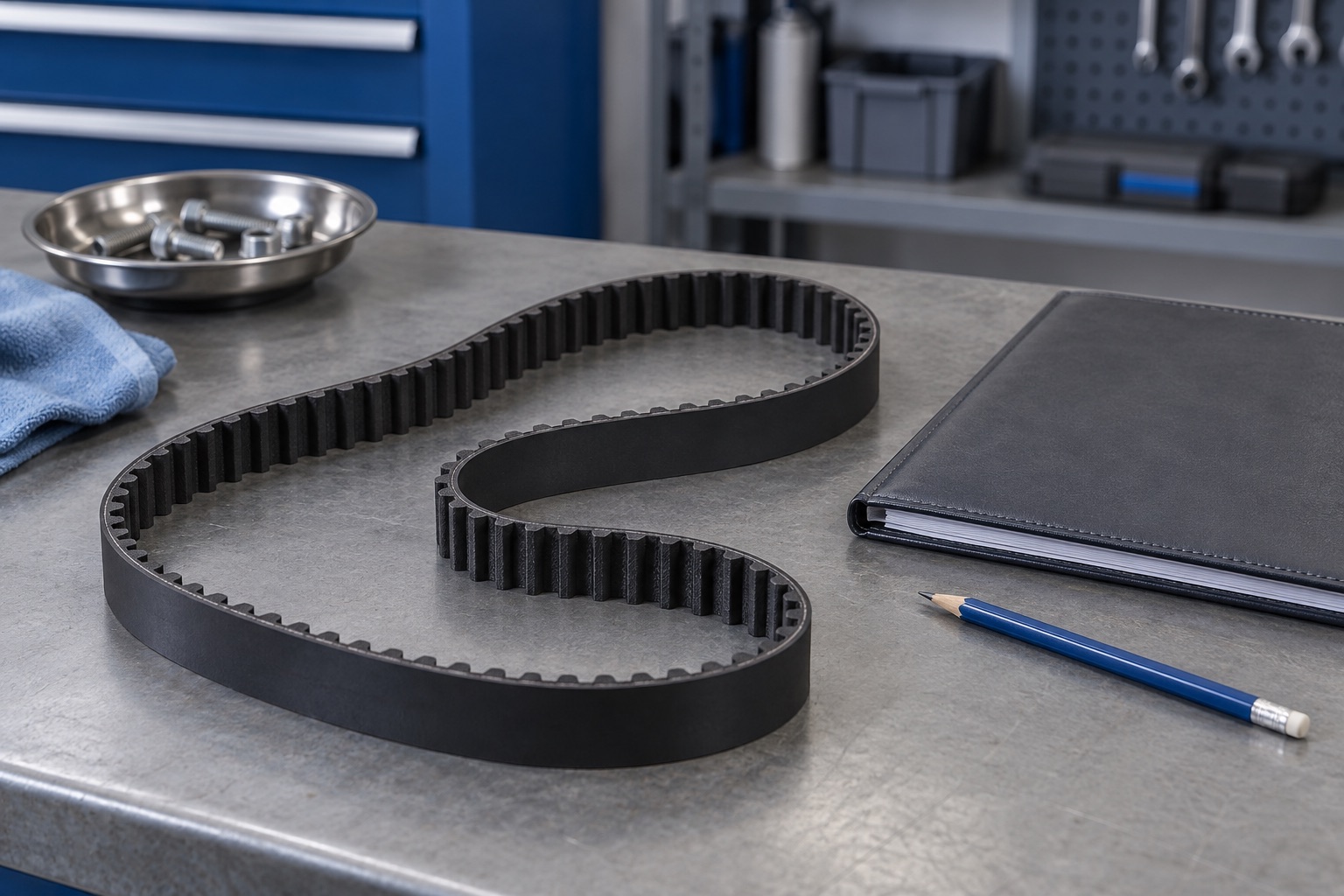
Confirm the engine, maintenance requirements and previous work before deciding what timing-belt service is due.
Read article ↗
A hazy patch and accumulated water are different concerns. Document the pattern and find the cause before replacing a headlamp.
Read article ↗
The injury location, internal condition and pressure-loss history guide whether a punctured tire can be safely repaired.
Read article ↗
The belt, tensioner and pulleys work together. An inspection should explain the cause before replacement parts are chosen.
Read article ↗
Where and when a vibration occurs helps guide an inspection. Measurements and confirmed findings should guide the repair.
Read article ↗
Record the warning, check the conditions and ask what the inspection confirms before choosing replacement parts.
Read article ↗
A filter can be due for service without being the cause of a running problem. Ask what the schedule and inspection actually show.
Read article ↗
Ride changes and visible fluid are clues. An inspection should explain what they mean before parts are replaced.
Read article ↗
An inactive stop-start feature is a clue to interpret with the vehicle’s operating conditions, not a parts diagnosis.
Read article ↗
Good storage starts with a suitable space and a clear record of wear, air-loss concerns and any work still needed.
Read article ↗
Describe the change, address possible fumes promptly and ask for evidence before choosing an exhaust repair.
Read article ↗
The right transmission service starts with the vehicle requirements, a clear history and a distinction between maintenance and diagnosis.
Read article ↗
Confirm the vehicle-specific calibration requirements before glass work, and keep a clear record of what was completed.
Read article ↗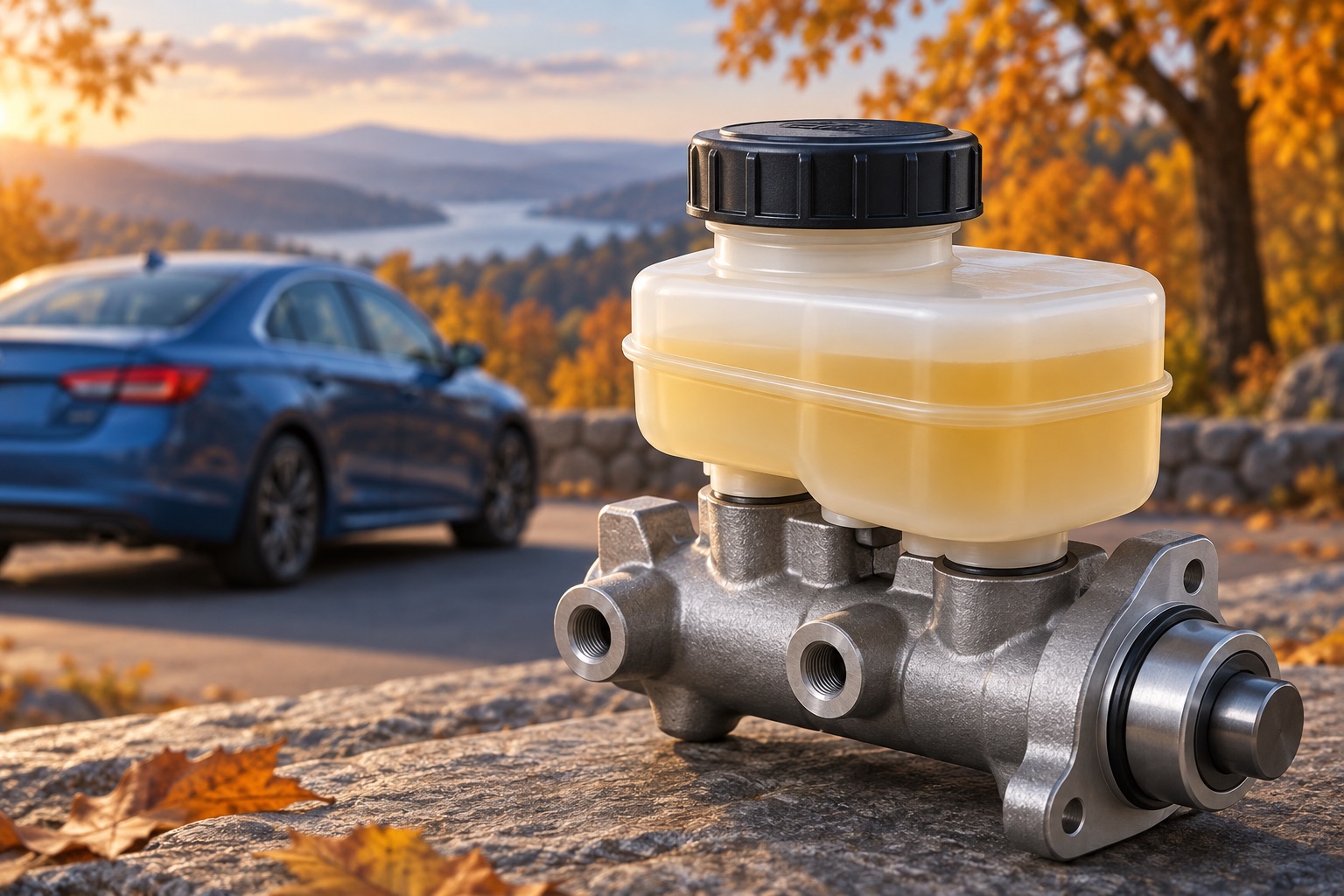
A reservoir level is only part of the picture. Use the vehicle’s service requirements and inspection findings to guide brake-fluid decisions.
Read article ↗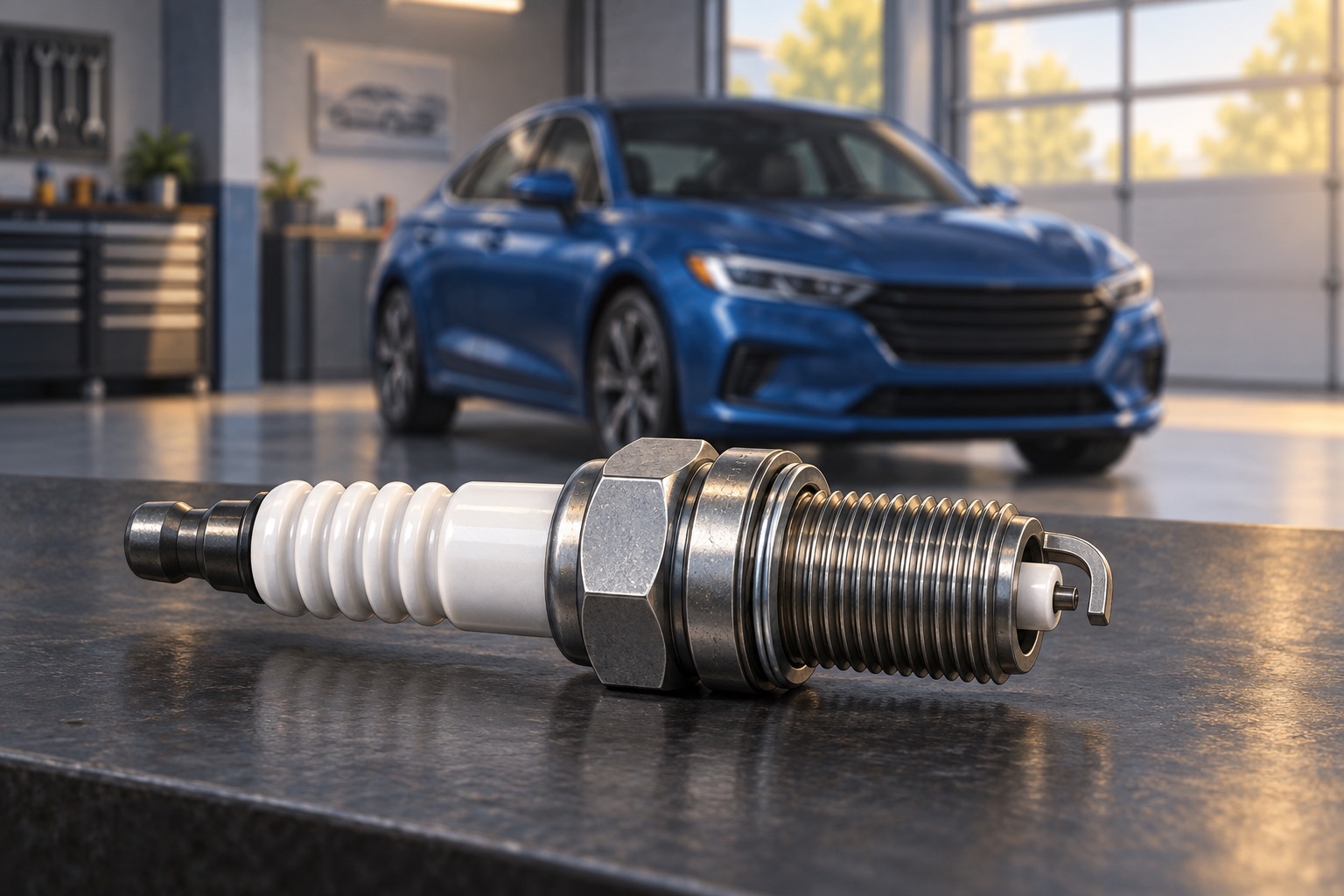
Understand why spark plugs are being recommended and what the work is expected to solve before approving an engine repair.
Read article ↗
A new shake after tire work deserves a prompt assessment. Describe the change clearly and let inspection findings guide the repair.
Read article ↗
A model-name match is only a starting point. Confirm your vehicle’s recall status and keep current symptoms on a clear diagnostic track.
Read article ↗
A noisy fan and weak airflow do not identify a failed part. Describe the symptoms clearly before choosing a filter replacement or climate-control repair.
Read article ↗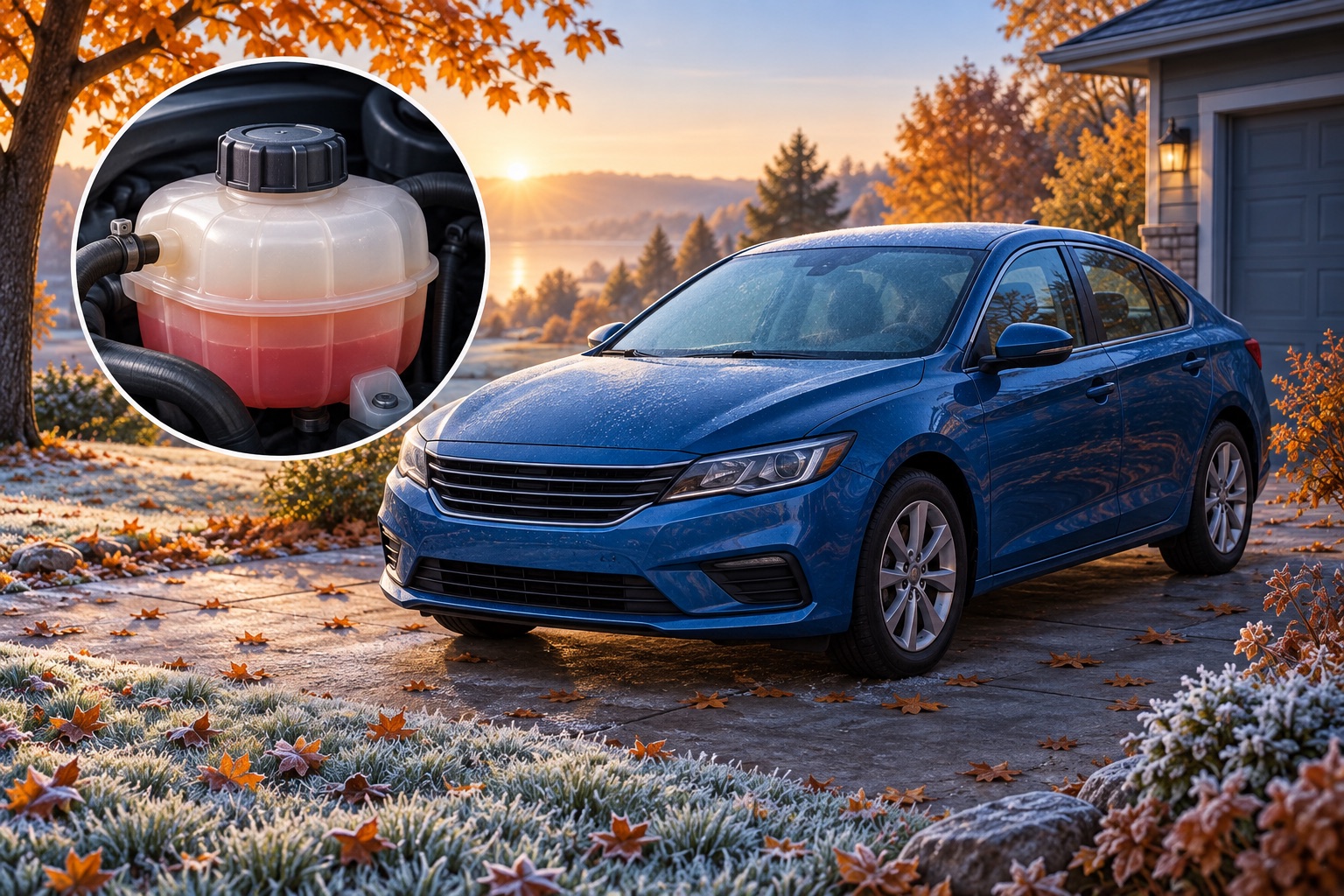
A low reservoir raises more than a refill question. Record the symptoms and service history so an inspection can guide the next step.
Read article ↗
A key warning does not identify a failed part. Bring the exact message, key history and symptoms to an assessment before choosing a repair.
Read article ↗
A hard road impact does not identify a failed part. Learn what to observe safely and what to tell the shop before deciding on a repair.
Read article ↗
Low mileage does not tell the whole maintenance story. Use your vehicle’s guidance, driving pattern and service history to plan the next oil change.
Read article ↗
Brake noise does not identify a failed part by itself. Learn what to tell the shop and how an inspection can turn a recurring squeak into a clear repair plan.
Read article ↗
A clear view starts before the rain. Check wipers, washers and lights, and learn which observations help diagnose a visibility concern.
Read article ↗
Cooler mornings can reveal low tire pressure. Here is how to separate a seasonal pressure change from a slow leak or a monitoring-system problem.
Read article ↗
A sound suspension, suitable tires and correct measurements come before adjustment. Verification checks the result against the complaint.
Read article ↗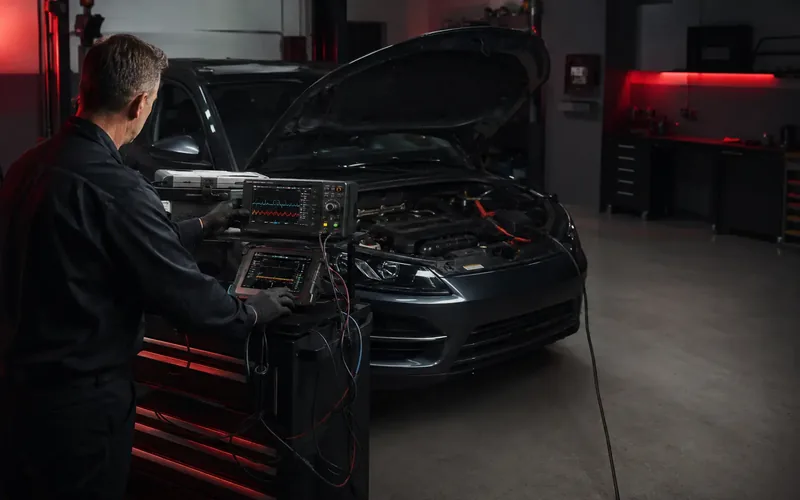
A plausible voltage reading cannot establish that a battery will start the vehicle reliably or explain why it keeps going flat.
Read article ↗A module may need software and vehicle configuration before it works correctly. That does not make programming a universal fix.
Read article ↗
The location and extent of corrosion matter more than appearance alone. A useful inspection connects visible damage with function.
Read article ↗Use the forecast, your commute and the condition of your winter set to plan a timely changeover.
Read article ↗A scan identifies what the vehicle detected. Testing establishes why it happened and which repair is justified.
Read article ↗