
Spark Plug Replacement: Scheduled Maintenance or Misfire Repair?
Understand why spark plugs are being recommended and what the work is expected to solve before approving an engine repair.
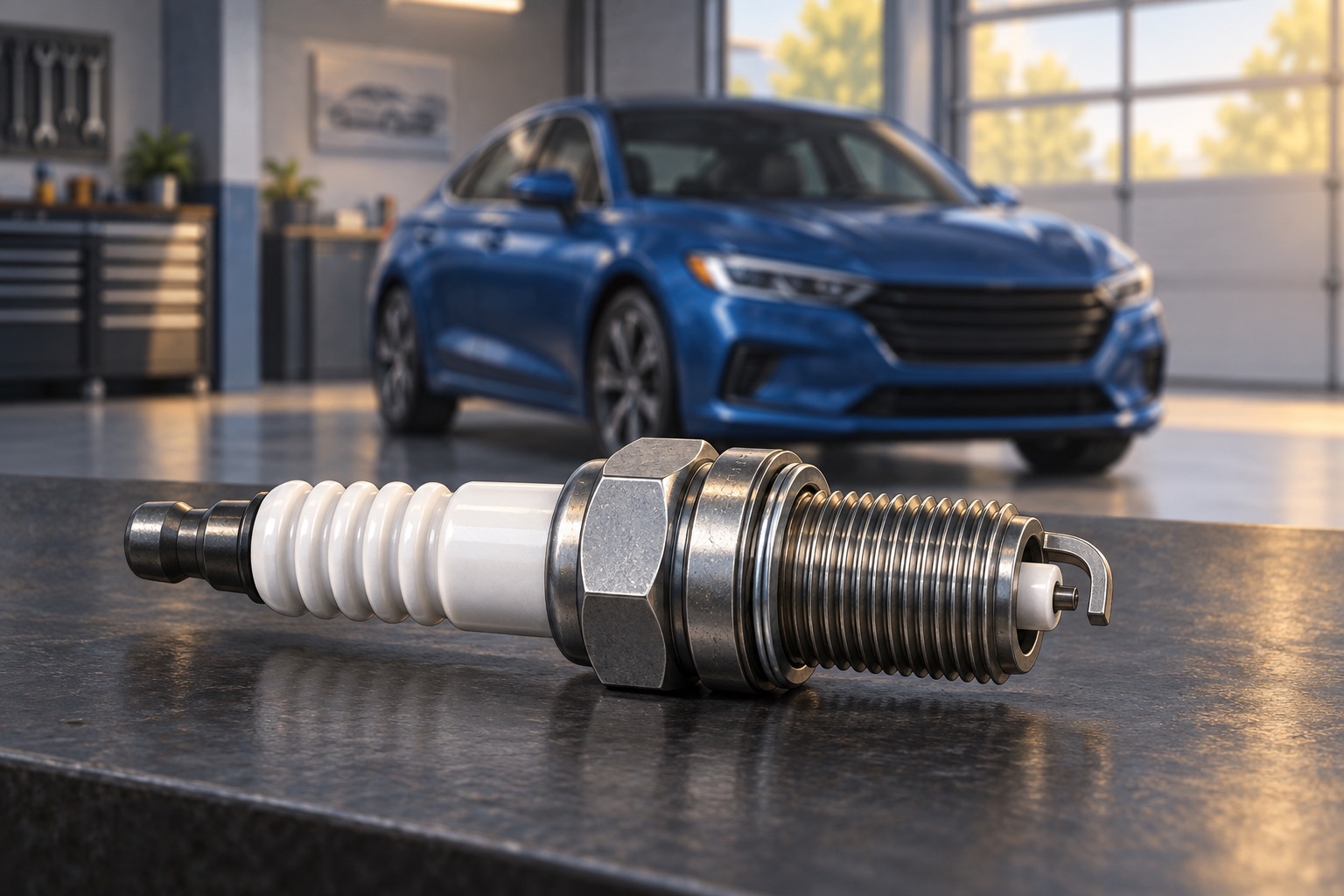
A recommendation to replace spark plugs can mean two different things: scheduled maintenance is due, or an inspection has found a problem related to the way the engine is running. Knowing which reason applies helps you understand the estimate and what the work is expected to accomplish.
For gasoline-vehicle owners in Bolton and Caledon, the most useful opening question is simple: are the plugs being recommended because of the maintenance schedule, their observed condition or a confirmed connection to a symptom? Those reasons can overlap, but they should be explained separately. A rough-running engine deserves more than a guess based on the age of its spark plugs.
What the spark plug does
In a spark-ignition engine, the spark plug provides the location for the spark that ignites the air-fuel mixture. The ignition coil supplies the electrical energy used to create that spark. NGK explains these roles in its spark plug basics guide.
The plug is therefore part of a working system, not an isolated cure for every engine complaint. Knowing its role helps make sense of a recommendation without assuming that every hesitation, difficult start or rough idle proves the plug itself has failed.
This discussion concerns engines that use spark plugs. Check the maintenance information for your exact vehicle and engine rather than applying a gasoline-engine service item to a different powertrain. When requesting an estimate, provide the vehicle details and ask the shop to confirm the applicable service information.
Start scheduled maintenance with the correct record
Use your vehicle manufacturer's maintenance guidance for the replacement schedule. There is no single interval in this article because an interval copied from another engine is not a reliable basis for your own appointment. Ask which schedule or requirement the recommendation follows.
Then compare that guidance with your actual service history. Look for an invoice that identifies spark-plug replacement and records the date and kilometres. A general “tune-up” description may need clarification before you treat it as proof that the plugs were changed.
If you bought the vehicle used and the history is incomplete, say that the replacement history is unknown. That gives the shop a more accurate starting point than assuming the previous owner completed every scheduled item. Bring whatever records you have, including the part information from earlier work if it is available.
A vehicle can be due for maintenance even if it seems to run normally. Equally, a symptom that appears before the scheduled interval should be assessed on its own merits. Keep the maintenance question and the current complaint visible when deciding what work to authorize.
Treat a misfire as a diagnostic question
NGK cautions against assessing an ignition coil by itself when investigating misfire codes: the coil, boot and spark plug work together as a high-voltage circuit. See its ignition-system information. The practical lesson is to ask what the tests established before choosing a replacement part.
If a shop reports a misfire, ask whether it has identified the cause or is describing the condition still under investigation. Request an explanation of how the findings support the proposed plug, coil or other repair. You do not need to select the tests yourself to ask what has been confirmed.
If plugs are overdue and replacement is recommended during that investigation, clarify the purpose. Is the work routine maintenance, correction of an observed fault, a necessary step before further checks, or a combination? A clear answer prevents scheduled service from being mistaken for a guaranteed cure for a separate problem.
Avoid asking for a complete set of unrelated parts simply because an online account described similar symptoms. Another vehicle's successful repair is useful background at most; it does not establish the condition of your engine.
Describe the symptom before naming the repair
Tell the shop what you notice during ordinary use. Does the engine feel rough immediately after starting, only once warm, while stopped or during acceleration? Was the change sudden or gradual? Include any warning message and whether a light was steady or flashing.
Do not deliberately repeat an unsafe condition to collect better notes. If the engine runs severely rough, loses power or a warning light flashes, stop safely and seek advice about getting the vehicle assessed. Follow the warning instructions in your own owner's manual rather than using a blog post as clearance to continue driving.
Mention recent repairs and any spark plugs or ignition parts already replaced. Include whether the symptom changed afterward. A repair that made no difference is useful information for the next assessment, especially if the work was performed elsewhere or at home.
Bring a written description or a photograph of a warning message taken while parked. The goal is an accurate history, not a dramatic demonstration. Never run the engine in an enclosed garage while trying to record a symptom.
Ask about the finding and the proposed part
When reviewing the estimate, ask how the replacement part is matched to the vehicle's engine. A plug that looks similar is not enough information for an owner to establish suitability. Leave selection and installation to the correct vehicle and product guidance.
If the old plugs are being used as evidence, ask the technician to explain the observation in plain language. NGK describes plug condition as potentially useful diagnostic information. A photograph can support that conversation, but it should be interpreted alongside the vehicle's symptoms and test results.
Also ask whether any recommendation is separate from the original complaint. You may choose to complete due maintenance at the same visit, but the invoice should make the purpose of each item understandable. This is especially useful when several different tasks are grouped under a broad service description.
Confirm what was achieved
After the work, review what was replaced and whether the original concern was checked again. Keep the date, kilometres and part details for future maintenance decisions. If an intermittent symptom could not be reproduced, ask what to record if it returns.
For a current engine concern, see our check-engine-light service information. For broader maintenance needs, review our services or request an appointment with Albion Auto Service. Include both the symptom and the known service history in your notes.
A good spark-plug decision has a clear reason: the applicable schedule, the observed condition or evidence connecting the part to the problem. Understanding that reason helps you maintain the vehicle while avoiding unnecessary replacement work.
Featured image: AI-generated illustration of a spark plug and a car in a generic garage, not a photograph of an Albion Auto repair or customer vehicle.
Common questions
How often should my spark plugs be replaced?
Use the maintenance guidance for your exact vehicle and engine, then compare it with documented replacement history. Ask which schedule supports the recommendation.
Will new spark plugs fix a misfire?
Only if the findings support that repair. Ask whether the cause has been established and how the proposed work addresses it.
What if I do not know when the plugs were changed?
Tell the shop the history is unknown and bring any available invoices. Do not assume a general tune-up description confirms spark-plug replacement.