Does Your Car Really Need Premium Gasoline?
Two cars can say “premium” in the manual and give their owners different choices. The minimum octane and the conditions attached to the recommendation matter.
The word to find before your next fill-up is **minimum**. Your owner’s manual may list one octane grade as the lowest your engine accepts and a higher grade for best performance. Or it may specify premium as the minimum. Those instructions lead to different choices at the same pump. If you have just bought a used car or started sharing one, take a photo of the relevant paragraph and keep it handy.
Read the line for the engine you own
Start with the gasoline or fuel requirements section of the manual for your vehicle’s year and market. If the book covers several engines, check the heading above the paragraph. Two versions of the same car can have different requirements. The label inside the fuel door can help you confirm the grade. If the book and label appear to disagree, ask the manufacturer or dealer to identify the correct instructions for your vehicle before choosing a lower grade.
Write down two things: the minimum octane number and any condition attached to the recommendation. For example, if the manual explicitly permits regular for everyday use and recommends premium for a particular kind of driving, both parts of that sentence matter. If the manual specifies premium as the minimum, midgrade falls short even though the pump presents it as an upgrade over regular. Read the number on the button as well as the grade name.
What octane tells you
Inside a gasoline engine, the spark normally starts a controlled burn. Under some conditions, part of the remaining fuel-air mixture can ignite on its own, producing pressure waves that can sound like a metallic ping. Octane measures a gasoline’s resistance to this kind of knock. The number helps match the fuel to the conditions the engine was designed to handle.
Higher cylinder pressures are one reason a manufacturer might specify higher octane. A turbo badge alone does not give you the required grade, though. Use the manual for that engine. The same goes for the age of a vehicle. An engine does not automatically need a higher grade just because its odometer has rolled past a milestone.
When the manual gives you a choice
If regular meets the requirement and there is no special instruction for the driving you do, regular is a sound choice. In laboratory testing of vehicles designed for regular gasoline, AAA found no significant advantage in power, fuel economy or emissions from switching to premium. Paying for a higher number at the pump does not by itself establish a maintenance benefit.
Where premium is recommended for best performance and a lower grade is expressly permitted, look at the use described. The distinction may matter more on a loaded trip than on a routine commute between Bolton and Caledon. Read the towing or severe-use instructions too, if they apply. A recommendation for a particular operating condition is a better guide than what another owner happens to buy.
If you are comparing two permitted grades for cost, keep receipts and compare the cost over a similar distance. Divide the amount spent by the kilometres driven between comparable full tanks. A single highway trip on premium compared with a week of short trips on regular cannot tell you much about the grade. There is no reason to run this comparison with a grade below the required minimum.
If you selected a lower grade by mistake
Keep the receipt and note roughly how much fuel was already in the tank. Check the manufacturer’s directions for that engine. Some manuals explicitly allow temporary use of a lower grade under stated conditions. Others specify a firm minimum. If your fill was below that minimum and the book gives no instructions for the situation, contact the manufacturer or a qualified service provider with the engine details and quantity added before putting the engine under load.
A quiet engine after the fill does not prove the lower grade is suitable for everyday use. Many modern engines can adjust spark timing when knock is detected. That response can affect performance and does not change the manufacturer’s fuel requirement. Putting diesel in a gasoline car is a different problem altogether. If you discover that error at the pump, leave the engine off and arrange assistance.
If the engine still knocks on the correct grade
A new metallic sound deserves its own diagnosis. Once safely parked, note whether you heard it while accelerating uphill, at a steady speed, or even at idle. Record when it started in relation to the fill, the grade on the receipt and any warning message. Avoid repeatedly accelerating hard to recreate the sound. If the knocking is heavy or persistent, or the dash instructs you to stop, pull over safely, shut down and arrange assistance.
The useful question for the technician is whether the sound is combustion knock or comes from another source. A rattle, a metallic tap and combustion knock can all get described as “pinging” on a booking form. The grade you used is one clue. The conditions when it occurred and what testing shows should guide any repair. For a recurring noise, contact Albion Auto Service with your vehicle and observations, or review the shop’s vehicle services.
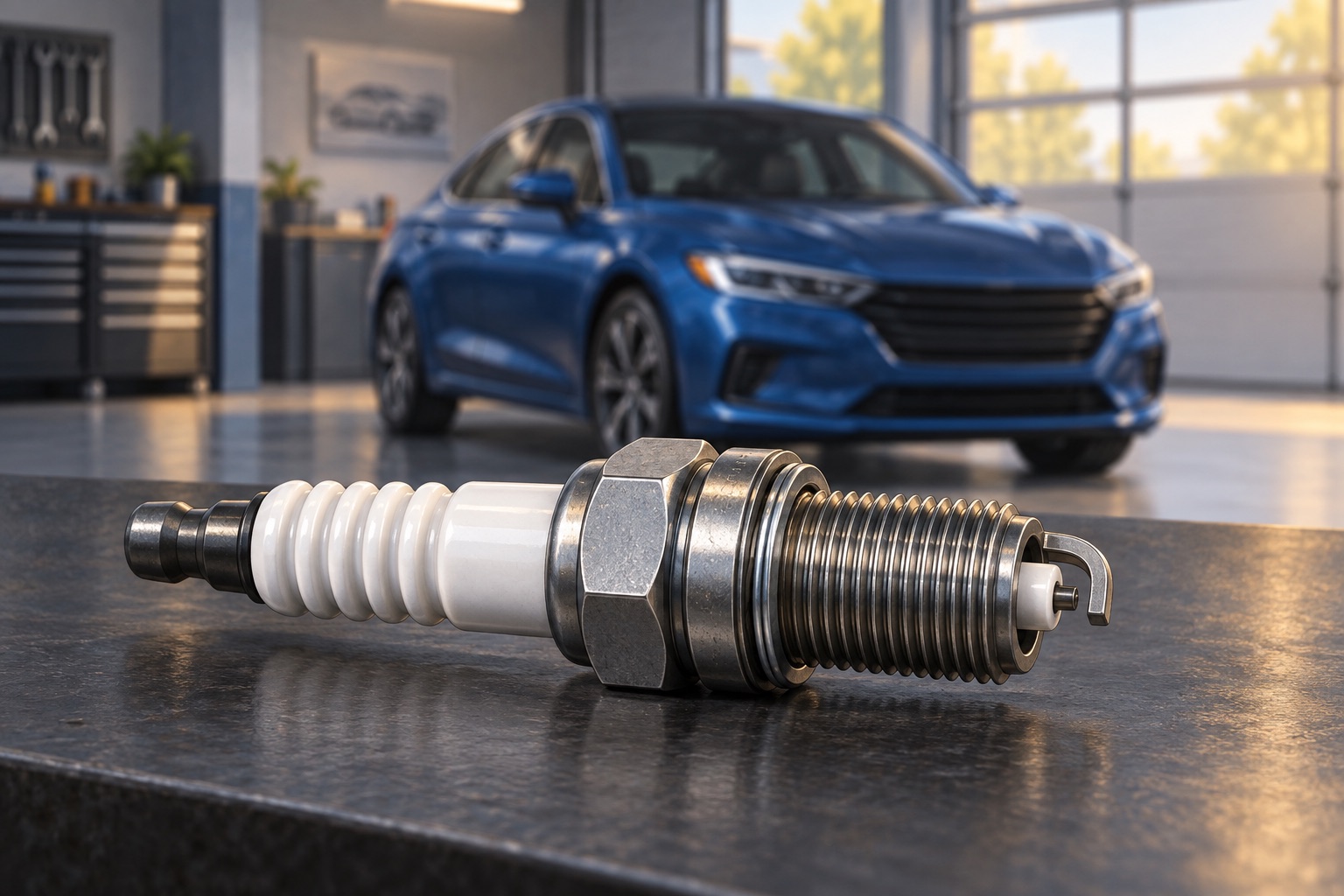
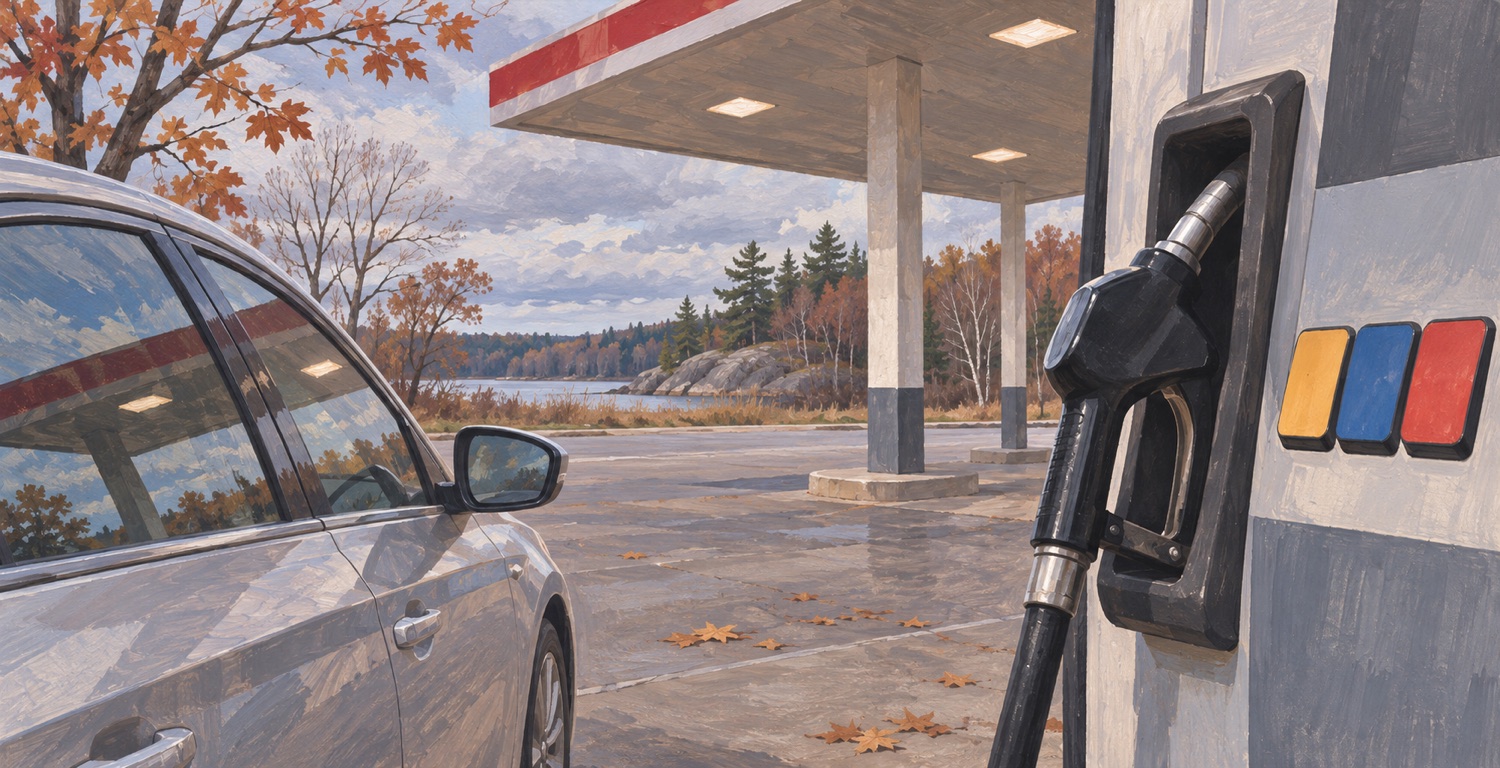
*Featured artwork is an AI-generated illustration.*
Common questions
Is midgrade enough if my manual requires premium?
Use the minimum octane number in the manual. A grade below that number does not meet the requirement.
Can two engines in the same model use different grades?
Yes. Match the fuel section to your model year, engine and market. Look for a minimum and any separate performance recommendation.
Should I switch grades to diagnose a metallic noise?
First confirm that the fuel meets the specification. If the noise persists on the correct grade, describe it and arrange diagnosis before choosing a repair.