Transmission Fluid Service: Ask These Questions Before Booking
The right transmission service starts with the vehicle requirements, a clear history and a distinction between maintenance and diagnosis.
Transmission-fluid service sounds straightforward until you compare recommendations. One person suggests a flush, another mentions a filter, and an old invoice simply says “transmission service.” Before choosing a package, establish what your particular vehicle needs and whether you are booking maintenance or investigating a problem.
For drivers in Bolton and Caledon, a useful starting point is the vehicle identification number, current kilometres and whatever service records are available. Those details give the shop something concrete to work with. A recommendation should connect the proposed work to the correct transmission and its service information, rather than to a universal rule for every automatic vehicle.
Start with the transmission, not the bottle
The word “automatic” is not a complete fluid specification. Ask the shop to identify the transmission fitted to your vehicle and confirm the required fluid before ordering supplies. If a previous owner replaced the transmission, mention that and bring any paperwork you received.
ZF explains in its transmission-oil guidance that its oils combine base oils and additive packages matched to particular transmissions. It also emphasizes setting the oil level correctly. That is a useful reminder that the product and the procedure both matter; ZF guidance for its products should not be treated as instructions for every make of vehicle.
When reviewing an estimate, ask for the fluid product and applicable specification to be identified. A description such as “premium fluid” does not tell you which requirement it meets. You do not need to become a lubricant specialist, but you should be able to keep a clear record of what was installed.
Separate routine maintenance from a new symptom
State the reason for the appointment when booking. “I want to review scheduled maintenance” gives the shop a different starting point from “the vehicle hesitates before moving.” If both apply, explain both rather than hoping a fluid service will automatically solve the concern.
Describe what you experience in ordinary language. Does it happen when first leaving the driveway, after a longer drive, when selecting a direction, or during a change in speed? Is there a warning message? Did it begin suddenly or become noticeable gradually? Record observations after parking safely; do not use a phone while driving to capture them.
These details help define the complaint without deciding its cause in advance. Ask what assessment is appropriate before authorizing a treatment or replacement. A maintenance recommendation is not proof that fluid caused the symptom, and a symptom is not proof that the whole transmission needs replacing.
Bring the history, including the gaps
Useful paperwork includes the date, odometer reading, fluid description and work performed at the last service. An invoice that lists a filter or pan separately can clarify what was included. Bring the actual record if possible instead of relying on a remembered phrase such as “all the fluids were done.”
If you recently bought the vehicle and have no records, say that. Unknown history is a question to investigate, not a reason to invent a past service date. Ask the shop to review the vehicle's maintenance information and current condition, then explain what it recommends now and why.
Mention towing or other unusual use so the applicable maintenance guidance can be checked. There is no single kilometre figure in this article because a number without the correct vehicle and operating context can be misleading. Keep the source of the recommendation with your records for the next appointment.
Clarify what the proposed service includes
Before comparing quotes, ask each provider to describe the work in plain language. Does the estimate cover a fluid replacement only, or other parts and checks? What procedure will be followed? Is an inspection being billed separately? What happens if the inspection reveals a concern that changes the recommendation?
Terms such as “flush” and “service” are not detailed work orders. Ask what the provider means rather than assuming that two similarly named packages include identical work. The appropriate method should come from the applicable service information and assessment, not from choosing whichever description sounds most thorough.
Also agree on how additional work will be authorized. A short conversation beforehand can prevent confusion between an approved maintenance task and a newly discovered repair. Request an updated explanation and estimate if the proposed scope changes.
Avoid an additive as a first guess
Do not add a treatment simply because the vehicle feels different. In one Ford owner's-manual transmission section, Ford warns against supplemental additives, treatments and cleaning agents, and specifies using the correct fluid. That example reinforces the need to read the instructions for your own vehicle rather than assume an aftermarket treatment is appropriate.
Tell the shop if anything has already been added, including the product name and approximate amount if known. Keep the container or a photograph of its label. That information is more useful than trying another product before the original concern has been assessed.
Likewise, do not improvise a level check from instructions for another vehicle. Ask whether the owner's manual provides an owner-check procedure and follow only the applicable instructions. Leave work requiring access beneath the vehicle or specialized procedures to a properly equipped professional.
Leave with a usable record
At collection, review what was done and whether any reported symptom remains unresolved. Keep an invoice showing the date, kilometres, fluid and service scope. Ask which future maintenance recommendation applies and whether there is any follow-up to arrange.
If the vehicle cannot move predictably or you cannot operate it safely, stop somewhere safe and arrange assistance instead of continuing to test it. Follow any warning instructions in the owner's manual.
Our transmission repair information is a starting point for discussing a concern. You can contact Albion Auto Service with your vehicle details, symptoms and service history. The goal is a specific next step supported by the vehicle's requirements and an assessment of the concern.
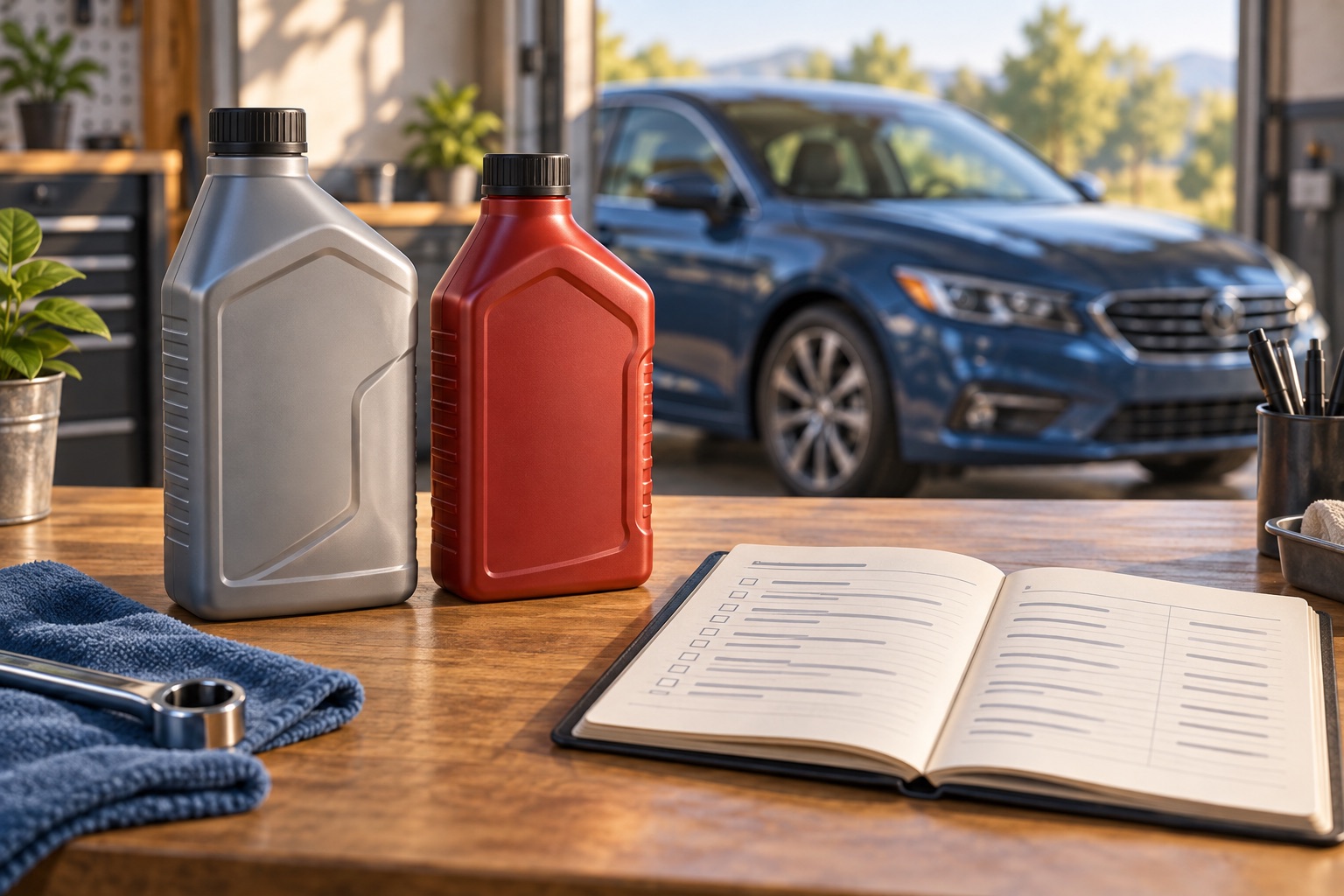
Featured image: AI-generated conceptual illustration of fluid bottles and maintenance records, not a photograph of Albion Auto Service or a recommendation of a particular product.
Common questions
Can a fluid service fix a shifting problem?
Do not assume it will. Describe the symptom and ask for an assessment so the recommended work addresses the cause.
What if I have no transmission service records?
Tell the shop the history is unknown. Ask it to review the applicable maintenance information and current condition before recommending work.
What should a transmission service invoice identify?
Keep the date, kilometres, fluid product and specification, and a description of the work performed.