Engine Air Filter Replacement: Maintenance or Diagnosis?
A filter can be due for service without being the cause of a running problem. Ask what the schedule and inspection actually show.
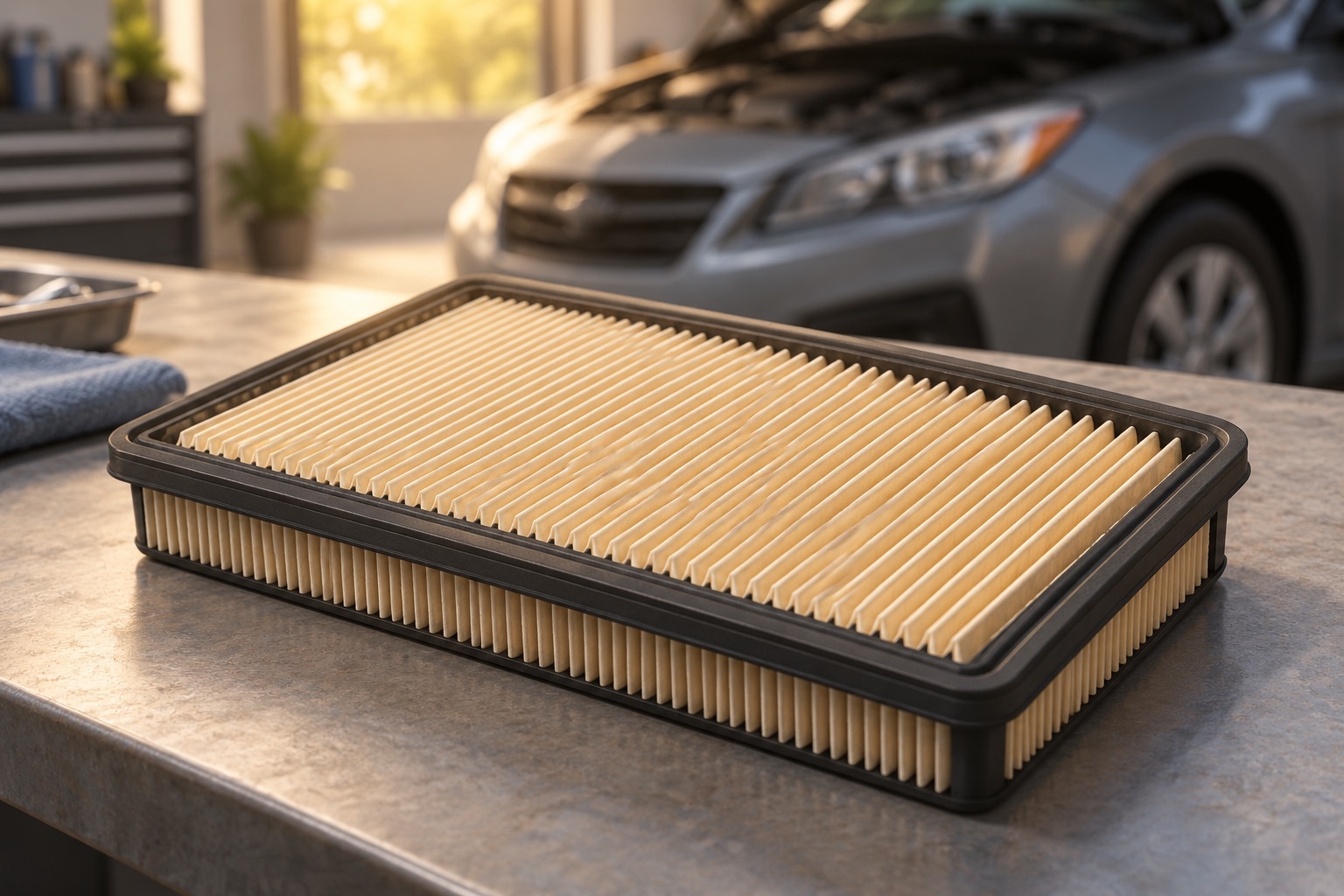
An engine air filter can be due for replacement even when the car seems to run normally. It can also appear on an estimate during a visit for a completely different concern. The important question is why the service is being recommended: scheduled maintenance, a condition found during inspection or part of an investigation into a running problem?
For owners in Bolton and Caledon, keeping those reasons separate makes an estimate easier to understand. A sensible filter replacement should have a clear basis. It should not become a promise that a hesitation, warning light or fuel-use complaint will disappear unless the diagnosis supports that conclusion.
Start with the schedule for your actual vehicle
The engine air filter helps keep airborne contaminants out of the engine. Ford's general air-filter guidance directs owners to their vehicle's manual for replacement information and notes that dirt-road or dusty use may require more frequent attention. Its regional examples are not a universal schedule for every vehicle in Canada.
Find the maintenance information for the correct year, model and engine. Bring the last replacement record if you have it. An invoice that says only “filter” may not establish which filter was changed, so ask for clarification rather than assuming the engine air filter is up to date.
If you bought the vehicle used and its history is incomplete, say so. Ask the shop to assess the current condition and explain how it will establish a maintenance baseline. Unknown history is useful context, but it should not be presented as proof that a particular part has failed.
Describe dusty use specifically
“Mostly local driving” can mean quite different things. A paved commute, repeated travel on unpaved roads and regular exposure to a dusty work area are different histories. Explain the conditions the vehicle actually encounters instead of choosing a service interval simply because another driver uses it.
For example, tell the shop how often your route includes unpaved sections and whether that use changed recently. This is especially useful when a vehicle has moved from one household, job or regular route to another. The odometer alone does not describe those conditions.
Ask how your use fits the manufacturer's maintenance guidance. The useful outcome is a documented recommendation for this vehicle, including when to inspect or service it again. There is no need to invent a special replacement interval for everyone in Bolton or Caledon.
Ask what the inspection found
If replacement is recommended because of condition, ask for a photograph or an explanation of the finding. Is the concern accumulated debris, damaged filter material, a damaged seal or something else? A statement such as “it looks old” is less helpful than a description tied to the applicable inspection guidance.
As one vehicle-specific example, Ford's 2026 Super Duty air-filter instructions call for checking the element for damage and inspecting the housing for debris. They specify the correct replacement element. These instructions illustrate why condition and application matter; they are not a removal procedure for every car.
Ask whether any concern extends beyond the replaceable filter. If the estimate includes related work, each item should have its own explanation. You should be able to understand what was found, what is proposed and whether further investigation remains necessary.
Keep a running complaint separate from routine maintenance
Tell the shop about hesitation, an uneven idle or another change before the inspection begins. Describe when it happens and whether it started before or after recent work. Avoid arriving with “replace the air filter” as the only instruction when the real goal is to resolve a symptom.
A maintenance item can be due at the same time as an unrelated fault. Ask whether the filter service is recommended on its own merits or whether testing has connected it to the complaint. That question protects the diagnostic process without rejecting necessary maintenance.
If the cause is still uncertain, ask what the next check will establish. Agree on how the shop will contact you before additional work. After the visit, keep the diagnostic findings alongside the maintenance invoice so the distinction remains clear if the problem returns.
Confirm the scope before approving the work
An understandable estimate does not need to be long. It should identify the service, the reason for it and any related work included. If the vehicle has a non-standard intake or an unfamiliar filter fitted, mention that at booking and ask the repairer to confirm the appropriate procedure and replacement application.
Useful questions are:
- Is this due by the maintenance schedule or recommended because of an inspection finding?
- What did the inspection show?
- Does the proposed work address my complaint, or is diagnosis still needed?
- What should the invoice record for the next service visit?
Do not remove the air cleaner or run the engine without it just to compare the sound. Ford's cited instructions specifically warn against starting the engine with the air cleaner removed or removing it while the engine is running. Leave unfamiliar inspection work to the repairer and follow the instructions for your own vehicle.
Leave with a clear maintenance record
Keep the date, odometer reading and description of the completed service. Ask for the next maintenance recommendation to reflect the vehicle's schedule and use. If a reported symptom remains, describe it promptly rather than assuming a routine filter service completed the diagnosis.
Our oil-change and maintenance information is a starting point for planning scheduled care. You can contact Albion Auto Service with your vehicle details, service history and any running concern. The goal is straightforward: maintain what is due, investigate what has changed and replace parts for a documented reason.
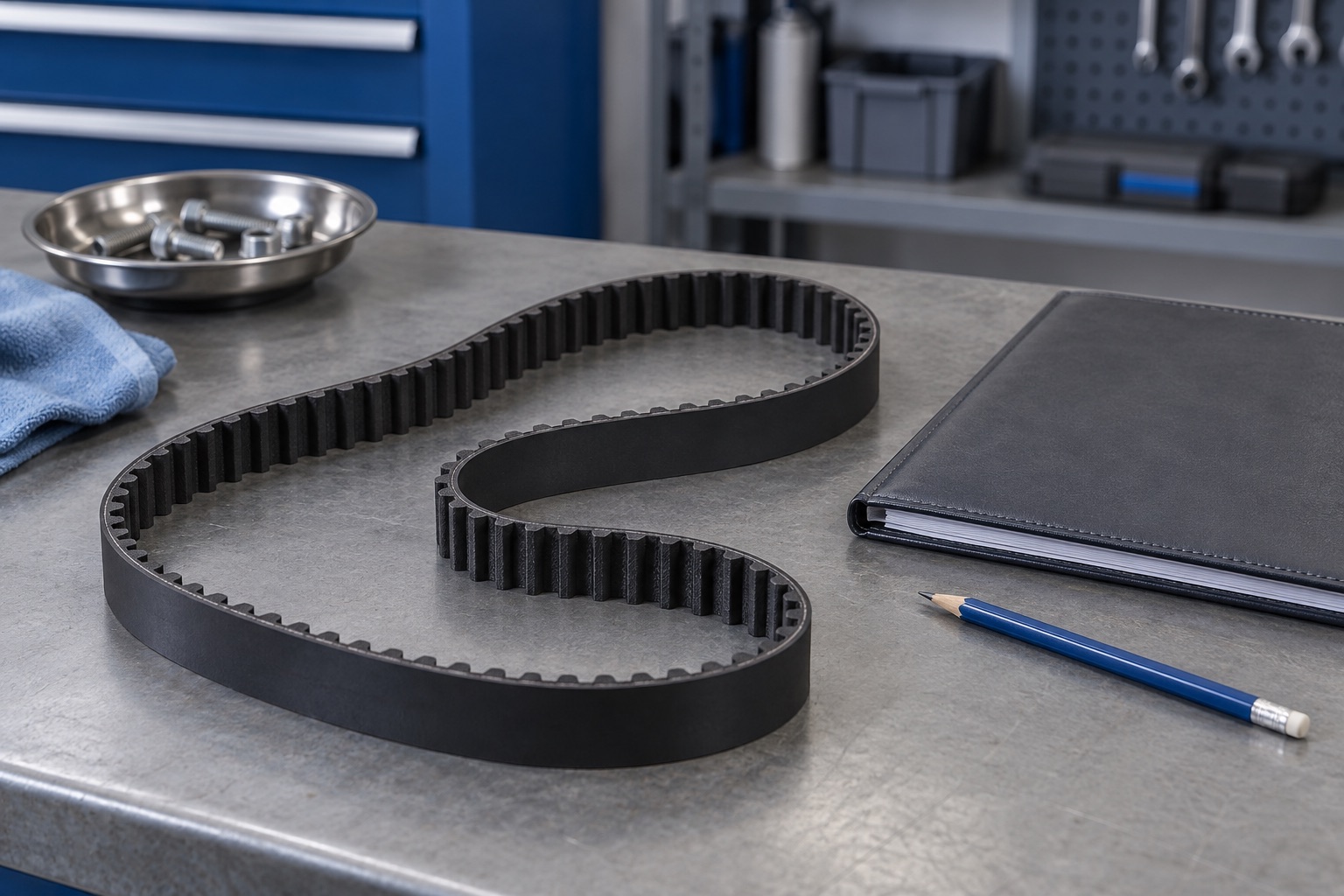
Featured image: AI-generated illustration of a generic engine air filter on a workbench, not an Albion Auto shop or customer photograph.
Common questions
Is there one engine air filter replacement interval for every car?
No. Use the maintenance guidance for the correct vehicle and engine, considering the driving conditions specified by its manufacturer.
Does replacing a due filter guarantee a hesitation will be fixed?
No. Ask whether diagnosis connects the filter to the complaint or whether replacement is being recommended as separate maintenance.
What should I bring to an air filter inspection?
Bring the vehicle details, previous service records and a description of dusty use or any running concern.