Battery Goes Flat While Parked? Find the Cause Before Replacing It
Record the parking history, accessories and symptoms so testing can distinguish battery condition from the reason it discharged.
A car that starts normally on Friday but will not start after a weekend parked needs more than a guess at the battery's age. The battery may be discharged, may have lost useful capacity, or may be affected by another electrical or charging concern. Those possibilities require different answers, even when the immediate symptom looks similar.
For drivers in Bolton and Caledon, the most useful starting point is a clear record of the parking period, recent driving and anything connected to the vehicle. A replacement battery may be necessary if testing supports it, but replacing one without understanding a recurring discharge can leave the original problem unresolved.
Describe what happened rather than calling everything a dead battery
When you tried to start the vehicle, did the engine turn slowly, did you hear clicking, or did nothing happen? Were the instrument lights working? Was there a message on the display? Record what you observed and whether assistance was needed. Do not keep attempting to start the vehicle just to collect more examples.
A no-start is a symptom, not a complete diagnosis. Tell the shop whether someone measured or tested the battery, or whether “flat battery” was simply an assumption. If roadside assistance provided a test result, keep it. If a boost allowed the vehicle to start, report that too, without treating it as proof that the battery itself caused the problem.
The sequence matters. Note the last normal start, how long the car sat and what happened afterward. An overnight concern after regular driving is a different history from a vehicle left unused for several weeks. There is no single parking duration that proves every battery should still start every vehicle.
Separate the battery's condition from the reason it discharged
Ask the shop to explain what its assessment says about the battery's condition and state of charge. These are related questions, but they are not identical. A discharged battery needs an appropriate assessment before the conclusion becomes “replace it,” and a confirmed failed battery does not automatically rule out an additional problem.
Bring any recent battery invoice, including the fitted battery details if available. Mention previous charging, replacement or starting trouble. If the battery was replaced recently, that is valuable context; it should not be used either to dismiss the concern or to condemn another component without testing.
A practical question is: “What evidence supports replacing the battery, and what explains the repeated discharge?” The answer may require more than one step. Ask which findings are confirmed and which still need investigation, so the proposed work has a clear purpose.
Include accessories and changes in your routine
Interstate Batteries' charging and maintenance guidance identifies aftermarket equipment, including dash cameras and alarms, among potential sources of parked-vehicle drain. That makes an accessory list useful, but it does not mean every installed device is faulty or incorrectly connected.
Tell the technician about dash cameras, tracking devices, remote starters, audio equipment, trailer connections and anything plugged into a power outlet or diagnostic connector. Include when each was fitted and whether the problem began afterward. Installation documents can be more useful than guessing which wire supplies the device.
Also describe your recent driving pattern. Note a change to short trips, long periods parked or unusually heavy use of electrical accessories while stationary. Avoid changing several settings, disconnecting multiple devices and charging the battery all at once without recording what happened. A clear sequence helps an assessment distinguish observations from assumptions.
If you are asked to change an accessory setting as part of an agreed check, record the setting, date and result. Follow its instructions and do not disable essential vehicle systems. A temporary change is evidence to interpret, not a substitute for confirming the cause.
A battery-saving message is a clue, not a parts verdict
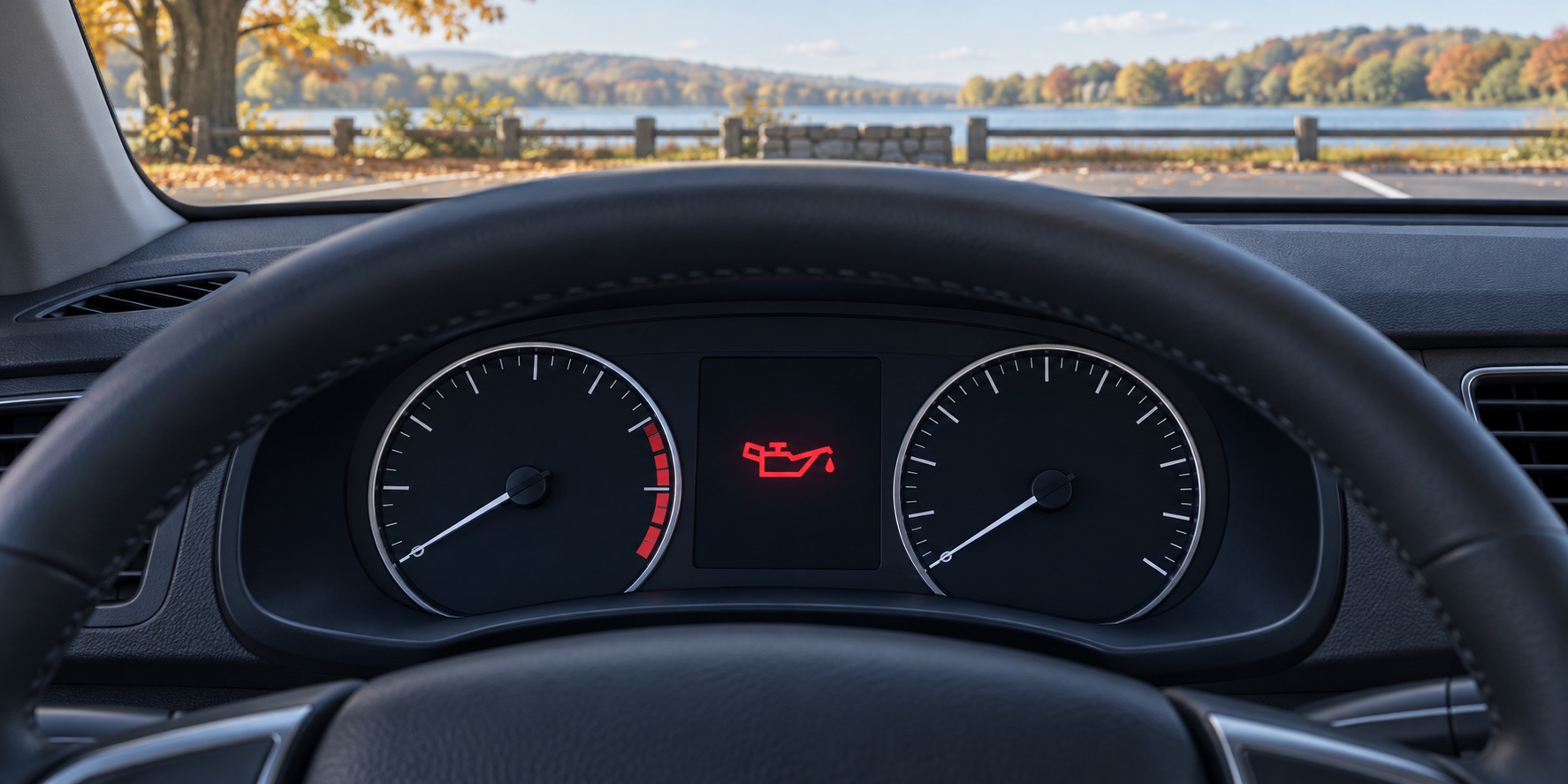
Some vehicles deliberately reduce connected or convenience functions to conserve energy. Ford's Deep Sleep explanation describes a battery-conservation feature. The meaning and activation conditions depend on the vehicle; use the guidance for your model rather than treating another driver's message as identical.
Save the exact wording and the time it appeared. Tell the shop whether it arrived before the starting problem, after a long parking period or after assistance. A screenshot from an app can help document the sequence, but it does not identify a failed battery, sensor or control module on its own.
Do not assume that a missing remote feature proves the car cannot start, or that successful starting proves the warning is irrelevant. Explain both observations. They give the technician a more complete account than a general statement that “the electronics are acting up.”
Allow the parked condition to be investigated properly
When booking, ask whether the vehicle may need to stay beyond a short appointment. A concern that develops while parked may require observation under appropriate conditions. Tell the shop about collection deadlines before the vehicle arrives, so the diagnostic scope can be discussed realistically.
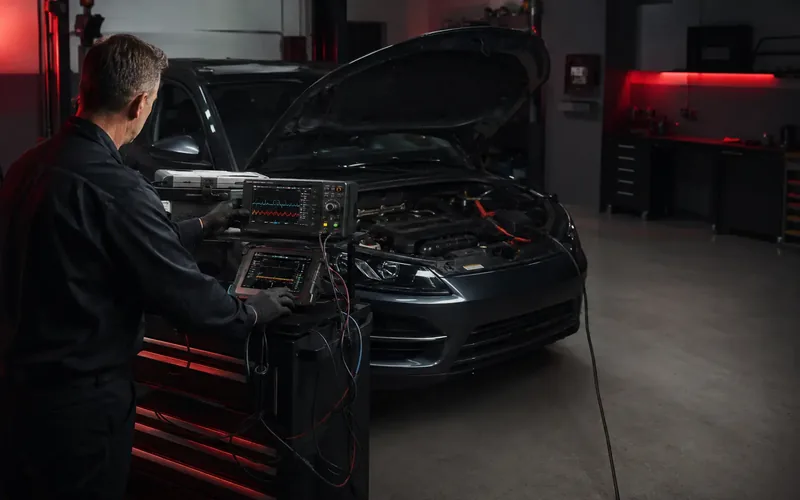
Ask what conditions were checked and how any measured draw compares with the vehicle's requirements. Avoid relying on a universal current limit or waiting time copied from an online discussion. Different vehicles manage electrical activity differently, and a meaningful result needs the correct procedure and context.
Do not pull fuses at random or disconnect the battery simply to clear symptoms before the appointment. Ask first, particularly if the shop is trying to capture an intermittent condition. For charging or jump-starting, follow the vehicle and equipment instructions. If the battery is damaged, leaking or suspected frozen, do not attempt a boost; arrange assistance.
Agree on what will count as a verified result
Before authorizing parts, ask how the finding supports the recommendation and what will be checked afterward. If the concern cannot be reproduced, ask what information would help next rather than treating an unconfirmed guess as a completed diagnosis.
See our automotive electrical service information or contact Albion Auto Service with the parking history, accessory list and available test results. The aim is reliable starting supported by evidence, with a clear explanation of why the battery discharged and what was done about it.
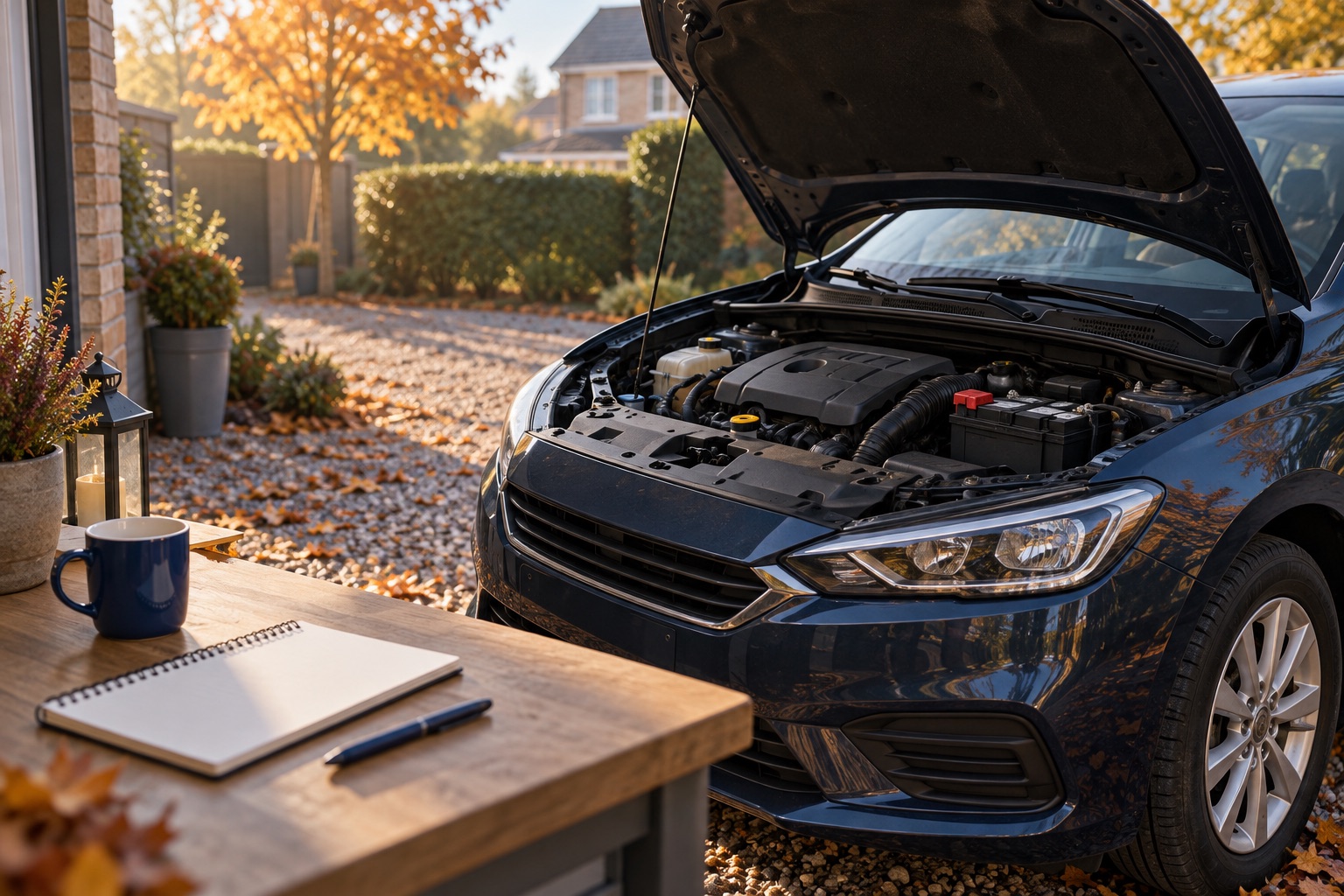
Featured image: AI-generated illustration of a generic parked car with its bonnet open, not an Albion Auto shop or customer photograph.
Common questions
Does a successful boost prove I need a new battery?
No. Report the result, but ask for an assessment of battery condition and the reason for the discharge.
What information helps diagnose a parked-vehicle drain?
Bring the parking duration, recent driving pattern, accessory list, exact symptoms and any previous test results.
Can an app battery-saving message identify the failed part?
No. Preserve the message and timing, then interpret it with the vehicle guidance and diagnostic findings.