Replacing Your Windshield? Ask About Driver-Assistance Camera Calibration
Confirm the vehicle-specific calibration requirements before glass work, and keep a clear record of what was completed.
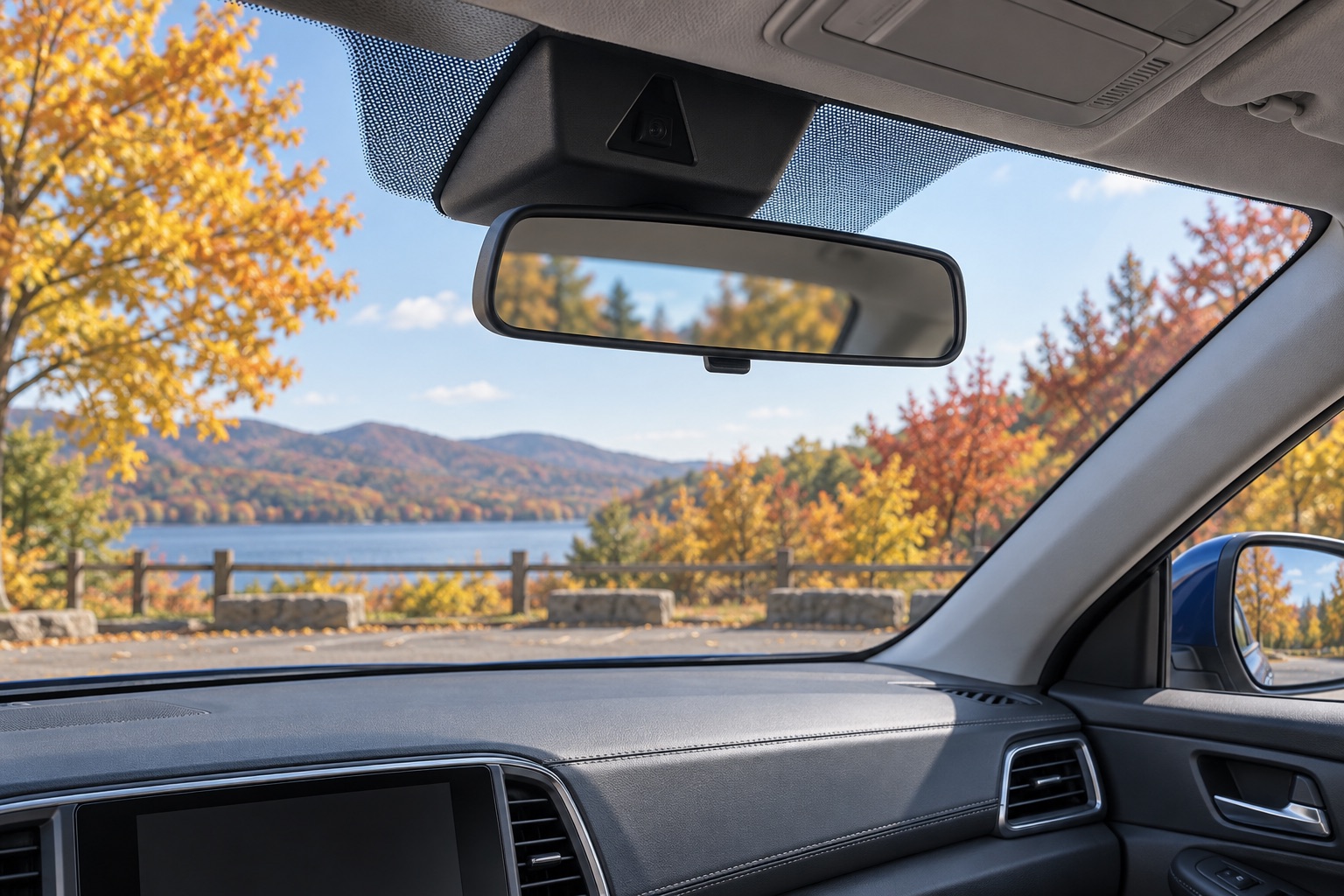
A windshield replacement may involve more than fitting new glass. On vehicles with a forward-facing driver-assistance camera, the repair can also require calibration according to the manufacturer's instructions. That requirement is worth discussing before the appointment, while the glass, equipment and any follow-up work are being arranged.
For owners in Bolton and Caledon, the key is to ask about the exact vehicle rather than accepting a blanket answer for every car. The equipment fitted, the repair performed and the manufacturer's procedure determine the next steps. A clear estimate should explain how those requirements will be handled.
Identify the equipment before booking
Advanced driver-assistance systems are often shortened to ADAS. Depending on the vehicle, these systems can support functions such as lane warnings or other driving assistance. A camera near the upper windshield may be part of that equipment, but its appearance alone is not enough to identify everything the vehicle has.
Provide the vehicle identification number and describe the features you know about when requesting a glass estimate. If you are unsure, say so and ask the repairer to confirm the equipment. Do not remove a camera cover or disturb a mounting bracket to investigate it yourself.
Also mention a head-up display or other glass-related feature if fitted. The purpose is to help the repairer establish the correct job from the beginning, not to have you choose a windshield or a calibration procedure without the necessary vehicle information.
Ask what the manufacturer requires
I-CAR's guidance on calibration after windshield replacement explains that calibration requirements depend on the vehicle and the repair event. Its research tool helps identify relevant requirements, but it does not replace the manufacturer's repair procedures.
Ask the repairer whether calibration is required for your vehicle after the proposed glass work and which procedure supports that answer. If it is required, confirm who will carry it out and whether it is included in the appointment or arranged separately.
The same question is useful when comparing estimates. Two quotes may describe different scopes of work even if both say “windshield replacement.” Ask for the glass work, any required calibration and completion checks to be identified clearly so you can compare what is actually being offered.
Understand the appointment logistics
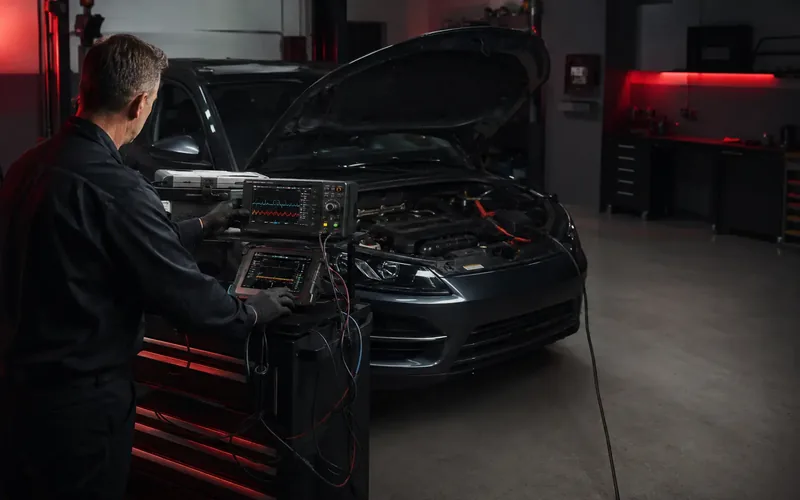
Bosch describes static and dynamic approaches to ADAS calibration: some work uses workshop equipment and targets, while other procedures involve specified driving conditions. The vehicle's requirements govern the method. See its ADAS calibration explanation.
You do not need to select a method yourself. Ask how the required procedure affects the appointment and what happens if it cannot be completed as planned. Confirm whether the vehicle needs to move between facilities and who is responsible for arranging that step.
If the work is being coordinated through an insurer or a glass provider, keep the practical questions together. Who confirms completion? Who contacts you if further work is needed? Who explains any restrictions before the vehicle is returned? Clear arrangements help avoid a gap between the glass installation and the remaining work.
Bring the history of any existing warning
Tell the repairer about driver-assistance warnings that existed before the windshield damage or replacement. Include the exact message, when it appears and whether another repair was recently performed. If you have a photograph of the message taken while safely parked, bring it along.
That history matters because a warning and a calibration requirement are not automatically the same issue. Ask what has been confirmed and whether any diagnostic work is separate from the planned glass service. A required calibration should not become an unsupported promise to fix every pre-existing concern.
Likewise, do not assume a camera needs replacement simply because an assistance feature reports a problem. The repairer should explain the findings supporting a component recommendation. Start with the reported condition and relevant procedure, then choose the work that the evidence supports.
Request a clear completion record
When collecting the vehicle, ask whether all required work was completed and request the corresponding documentation. Keep the glass invoice and any calibration report together. If another facility performed part of the work, ask how its result is recorded in the final handover.
Useful questions include which system was addressed, whether the procedure completed successfully and whether anything remains unresolved. You are not expected to interpret a technical report unaided. Ask for a plain-language explanation of the result and any next steps.
Follow the glass installer's instructions about when the vehicle can be used and any aftercare requirements. Keep those instructions separate from assumptions about the assistance system. If the handover leaves either point unclear, have the repairer clarify it before leaving.
Respond to a warning without testing the system yourself
If a warning appears after the repair, contact the repairer promptly with the exact message and the circumstances. Do not deliberately drift toward a lane marking, approach an obstacle or provoke automatic braking to see whether a feature works. An owner-conducted road experiment is not a substitute for the specified verification process.
Read the operating limitations and warning instructions in the owner's manual. Remain responsible for steering, braking and observing the road, and do not rely on a feature reporting a fault. If the vehicle behaves unexpectedly or you cannot operate it safely, stop in a safe place and arrange assistance.
Tell the shop whether the concern is new, unchanged or different from the original complaint. That distinction helps the next assessment. Avoid clearing messages or making adjustments simply to obtain a reassuring display before the cause has been understood.
Keep the next step specific
A useful windshield appointment starts with the vehicle details and ends with a clear record of the work completed. Ask about calibration when booking, confirm how it will be arranged and review the outcome at collection. Those steps turn an unfamiliar technical term into a manageable part of the repair.
For a related electrical concern, our electrical repair information describes a relevant service area. You can contact Albion Auto Service to discuss the concern and confirm the appropriate next step. Ask the glass provider directly about its calibration arrangements; do not assume every repair facility offers every vehicle-specific procedure.
Featured image: AI-generated conceptual illustration of a windshield, mirror and camera housing, not a photograph of an Albion Auto repair or an exact vehicle installation.
Common questions
Does every windshield replacement require camera calibration?
The requirement depends on the vehicle, its equipment and the repair. Ask the repairer to check the manufacturer’s procedure for your exact vehicle.
Who should arrange required calibration?
Confirm that with the glass provider before booking. Ask who performs the work, whether it is included and how completion will be documented.
Should I test lane assistance after the repair?
Do not deliberately provoke a safety feature to test it. Follow the owner’s manual and report any warning or unexpected behaviour to the repairer.