How to Check Vehicle Recalls in Canada Before Booking Repairs
A model-name match is only a starting point. Confirm your vehicle’s recall status and keep current symptoms on a clear diagnostic track.
A recall headline names your car's model, but does it apply to the vehicle in your driveway? And if the vehicle has a warning light or an unusual noise, does that mean the recall explains it? These are separate questions worth answering before arranging work.
For owners in Bolton and Caledon, a recall check is a useful part of keeping vehicle records current. Start with official information, confirm the vehicle-specific status and keep the next step clear. A general internet search should not become a parts-replacement decision.
Start with the right vehicle and official information
Have your vehicle identification number, or VIN, ready before contacting the manufacturer or an authorized dealer. Copy it carefully from your vehicle documentation and check that it belongs to the vehicle you are asking about, especially if your household has more than one car.
Transport Canada provides a manufacturer directory with recall lookup links. Use the Canadian manufacturer's link for your make rather than assuming a news story or a foreign recall page describes your vehicle's status. The directory also provides contact information when you need help interpreting a result.
Keep a dated copy of the result or write down the campaign identifier and the person you contacted. This makes a later conversation easier: you can refer to the exact record rather than trying to reconstruct which headline you read.
Confirm applicability and completion separately
Transport Canada recommends checking recalls before buying a used vehicle. Its guidance says an authorized dealer can use the VIN to confirm outstanding recall repairs and whether a recall has already been addressed. See Transport Canada's recall-repair guidance.
Ask two direct questions: does this campaign apply to this VIN, and does the record show the required work as complete? A seller's statement that the car was recently serviced is not the same as a record identifying the campaign. Ask for the relevant documentation rather than drawing a conclusion from a general maintenance invoice.
If a lookup result conflicts with a letter or recent announcement, ask the manufacturer to clarify it. Transport Canada's directory notes that public news can precede a manufacturer's database update. A single search result should not end the inquiry when you have specific information suggesting otherwise.
Follow the instructions for that campaign
Read the actual notice, including any directions that apply while you wait for the repair. Transport Canada advises owners to arrange recall work promptly when notified and follow the manufacturer's interim instructions. Do not replace those directions with a general tip from a forum or this article.
When making the appointment, ask what the next step involves, whether the remedy is available and what you should do in the meantime. Confirm where the work should be performed. Do not assume a routine service appointment at an independent shop also books or completes a manufacturer's recall campaign.
Transport Canada says manufacturers almost always provide recall repairs without charge. Confirm the arrangements for your particular campaign with the manufacturer or authorized dealer, and distinguish those arrangements from any separate maintenance or diagnostic work you choose to request.
Keep a current symptom on its own diagnostic track
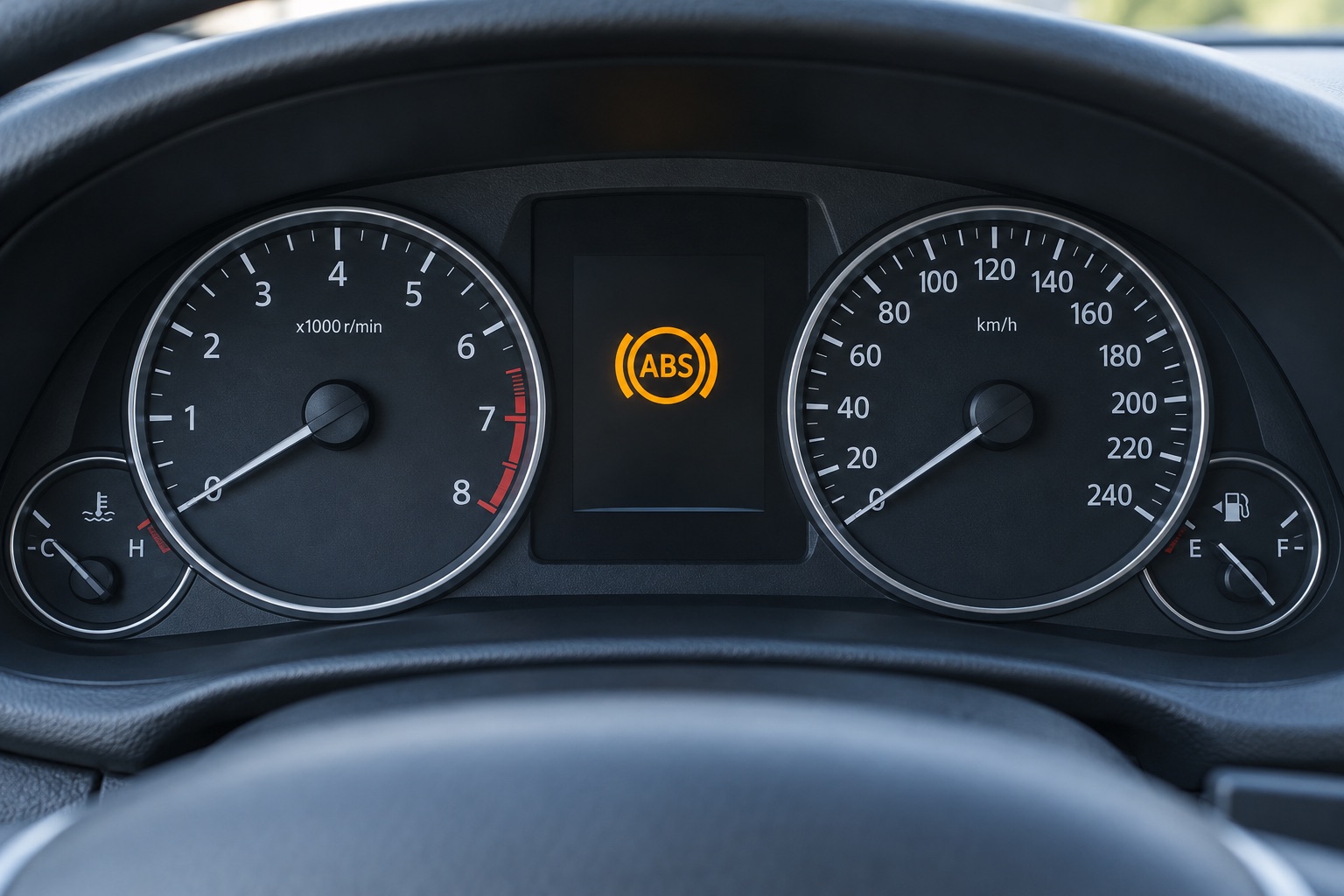
A recall record is useful context for a repair discussion, but it is not a diagnosis of every noise, warning or drivability concern. Tell the person arranging your repair both what the notice says and what the vehicle is doing. Avoid deciding in advance that they must have the same cause.
For example, useful appointment notes might say that a warning appeared during the morning commute, remained on after restarting and has not appeared before. These are examples of observations to record, not a test procedure or a conclusion about a component. Make notes only when safely parked.
Ask the shop what evidence supports any proposed repair and whether the recall information changes the next step. If a symptom remains after recall work, report that clearly and provide the completion record. Replacing another part simply because it sounds related can leave the original question unanswered.
Our check-engine-light service information explains a relevant diagnostic service area. Bring the recall notice along with your symptom description when discussing a separate concern.
Make ownership changes part of the checklist
If you recently bought a used vehicle or moved, check how the manufacturer can reach you. Transport Canada advises registering a used vehicle with its manufacturer and updating contact details after a move. Receiving the next notice matters as much as finding an old one.
For your own records, keep a simple folder containing recall notices, lookup dates, appointment confirmations and completed-work documents. Store that alongside your maintenance history so that the information is available when you change shops or sell the vehicle.
After the appointment, ask for documentation identifying what was completed. If you later see an unexpected status online, contact the dealer or manufacturer with that document rather than assuming either that the repair failed or that another visit is automatically necessary.
Bring clear questions to your next appointment
A useful preparation list is short: the VIN, the exact campaign information, the current completion status, any interim instructions and a separate description of symptoms. It helps everyone agree on what is being handled and what still needs investigation.
For general maintenance or a current vehicle concern, review our service information or request an appointment with Albion Auto Service. For campaign eligibility and recall completion arrangements, use the manufacturer's official channel. Keeping those conversations clear helps you act on the recall while choosing any additional repair based on evidence.
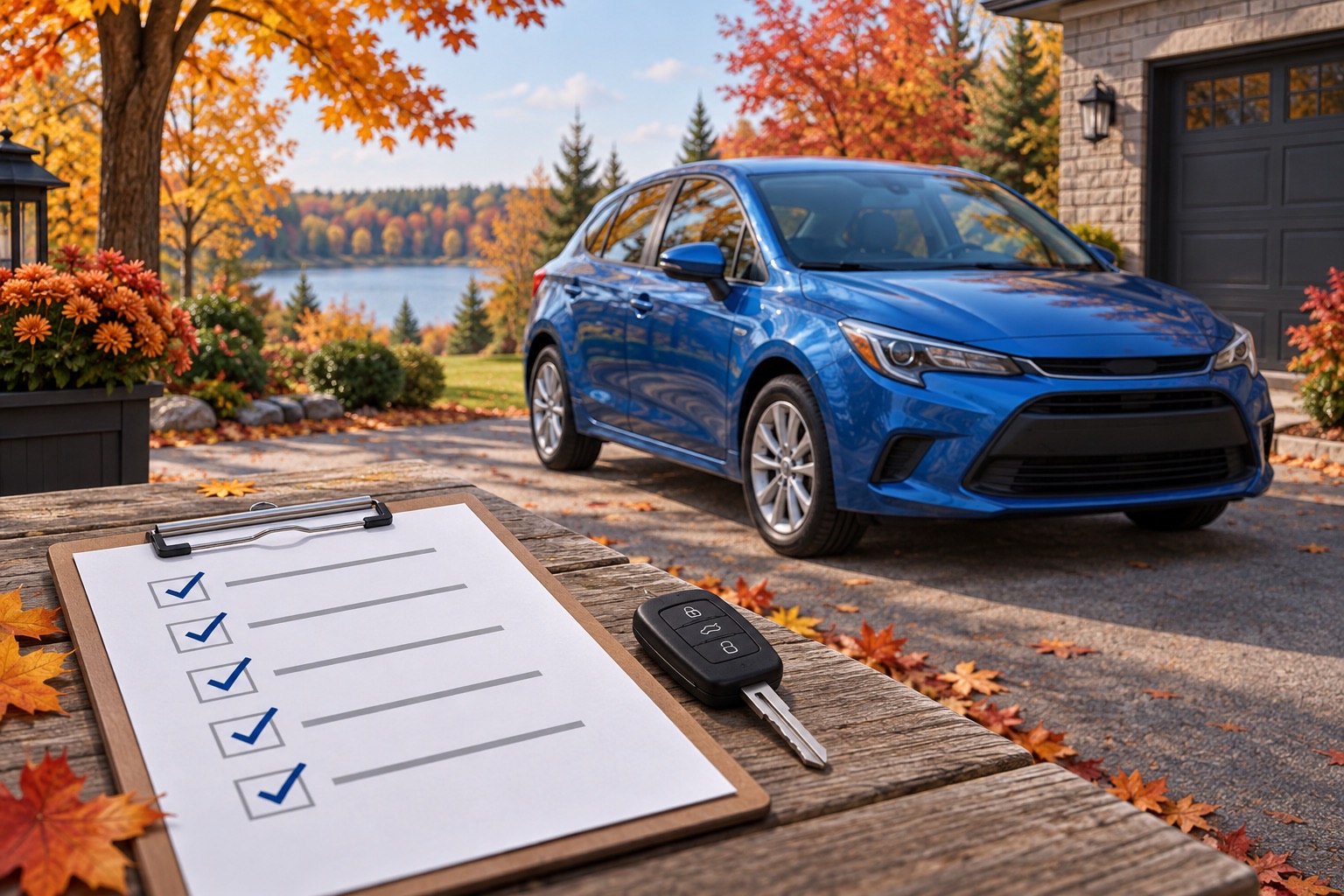
Featured image: AI-generated illustration of a parked car, checklist and key; not a photograph of an Albion Auto vehicle or customer visit.
Common questions
How can I confirm whether recall work is outstanding?
Use the manufacturer’s Canadian recall lookup and contact an authorized dealer with the VIN to clarify applicability and completion status.
Does a recall explain my warning light?
Not necessarily. Provide the recall information and a separate description of the warning so the cause can be assessed before deciding on additional repairs.
What if a recall letter and an online result disagree?
Contact the manufacturer or an authorized dealer with the VIN and campaign details. Ask them to reconcile the records and confirm the next step.