Brake Fluid Service: What the Level and Service History Can Tell You
A reservoir level is only part of the picture. Use the vehicle’s service requirements and inspection findings to guide brake-fluid decisions.
Brake pads receive plenty of attention, but brake fluid can be harder to understand. There is no tread pattern to measure and no simple photograph that tells the whole story. When a fluid service appears on an estimate, the useful question is what supports the recommendation: the vehicle's maintenance guidance, a condition assessment or work needed as part of another repair.
For drivers in Bolton and Caledon, brake-fluid care belongs in the maintenance record alongside other scheduled items. It also needs to be kept separate from diagnosing a braking complaint. A low reservoir or a changed pedal feel is a reason to investigate the system, not a reason to assume that adding or replacing fluid will solve everything.
Why fluid condition matters
Many passenger vehicles use glycol-based brake fluid that absorbs moisture over time. That moisture can lower the fluid's boiling point. Brembo discusses moisture absorption in its brake-fluid care guidance. This is one reason fluid maintenance cannot be judged only by how many kilometres the car travelled recently.
The practical takeaway is to use the requirements for your own vehicle. A car that has been driven very little still needs its time-based maintenance requirements reviewed. Conversely, a generic interval in an advertisement should not replace the manufacturer's instructions for your model and braking system.
Ask the shop which requirement applies and how the service history compares with it. You do not need to become a fluid specialist to understand the recommendation. A clear explanation should connect the proposed work to the vehicle's requirements and the information available about its condition.
What a visual check can tell you
A reservoir inspection can show level and appearance, but it does not establish all aspects of fluid condition. Bosch notes that appearance alone does not determine whether fluid remains suitable and describes professional condition checks as part of assessment. See its brake-fluid service explanation.
If you are checking your vehicle, first consult the owner's manual to identify the correct reservoir and the approved checking method. Do not open a cap or add a product just because a container under the bonnet looks familiar. If access or identification is unclear, leave the check to the shop.
When a recommendation is based on a test, ask what was measured and what the result means for your vehicle. When it is based on the schedule, ask which service requirement is due. Those are understandable questions that help separate evidence from a vague statement that the fluid “looks old.”
Low fluid needs an explanation
A low reading raises a system question. Bosch recommends checking for leaks and investigating low levels as part of brake-fluid service. Simply refilling the reservoir is not a diagnosis, and the fact that a warning disappears after a refill does not establish that the underlying condition has been resolved.
Tell the shop whether anyone has added fluid recently and whether the level or warning changed again. If you know the product used, bring that information. If you do not, say so. Accurate information about a previous intervention is more useful than guessing what was poured in.
Avoid repeated top-ups as a way to postpone assessment. Ask what caused the level concern, whether a repair is required and how the result will be checked. A fluid-service recommendation and a component-repair recommendation should each have a clear purpose in the estimate.
A changed pedal is a separate concern
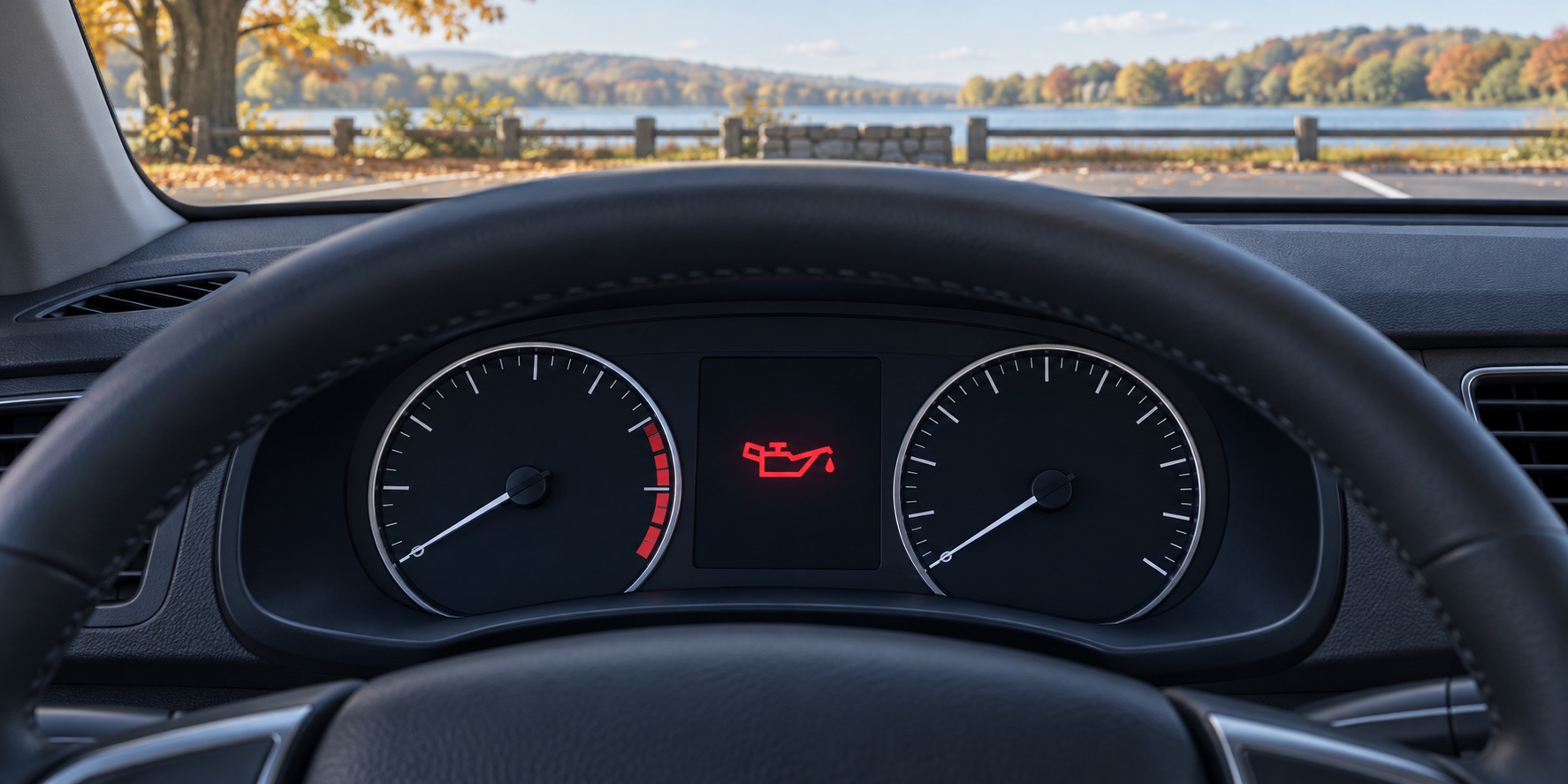
If the brake pedal suddenly feels different, sinks unusually far or the vehicle is not braking normally, stop in a safe location and arrange assistance. Do not take another trip or deliberately brake hard to gather more evidence. Follow the warning instructions for your vehicle and seek advice about safe transport to a repair facility.
When contacting the shop, describe the change rather than requesting a particular repair. Useful details include when it began, whether it followed recent brake work and what warning message appeared. Make notes or take a photograph of a message only while safely parked.
A service request such as “the pedal changed after the last appointment” gives the technician a starting point. A request such as “replace the fluid because the pedal feels wrong” already assumes the answer. Let the assessment establish what is happening before deciding which service or repair addresses it.
Review what the previous brake job included
Look at the invoice for the last brake appointment. Do not assume that a pad or disc replacement also included a full brake-fluid replacement. Ask for clarification if the paperwork uses broad wording such as “brake service” without identifying the work completed.
Keep the date and kilometres of any documented fluid replacement. If the vehicle is new to you and the history is missing, record it as unknown. This makes future decisions easier and avoids turning an estimate or a previous owner's recollection into a confirmed service record.
If you are arranging several maintenance tasks at once, ask the shop to identify them separately. That way, you can see which item follows the maintenance schedule, which addresses a current complaint and which was discovered during inspection. The distinction helps you understand the work without needing to interpret every technical term.
Use the specified fluid and procedure
Brake fluid is not a product to choose by colour or by assuming a higher number on the bottle is automatically better. Bosch highlights the importance of the correct vehicle specification and the appropriate service procedure. Ask the shop to confirm that both are matched to your vehicle.
This article is not a bleeding or replacement guide. If you are considering doing the work yourself, obtain the exact manufacturer procedure and assess whether you have the required equipment and experience before opening the system. A procedure demonstrated on a similar-looking vehicle is not confirmation that it applies to yours.
After professional service, review the completed-work record and any findings that still need attention. If you originally reported a braking symptom, ask whether that concern was checked after the work. Keep the service documentation so the next maintenance decision starts with reliable information.
For an assessment, review our brake repair information or request an appointment with Albion Auto Service. Include your symptoms and the known service history. The goal is appropriate maintenance and a braking concern explained by inspection, rather than a repair chosen from a fluid level alone.
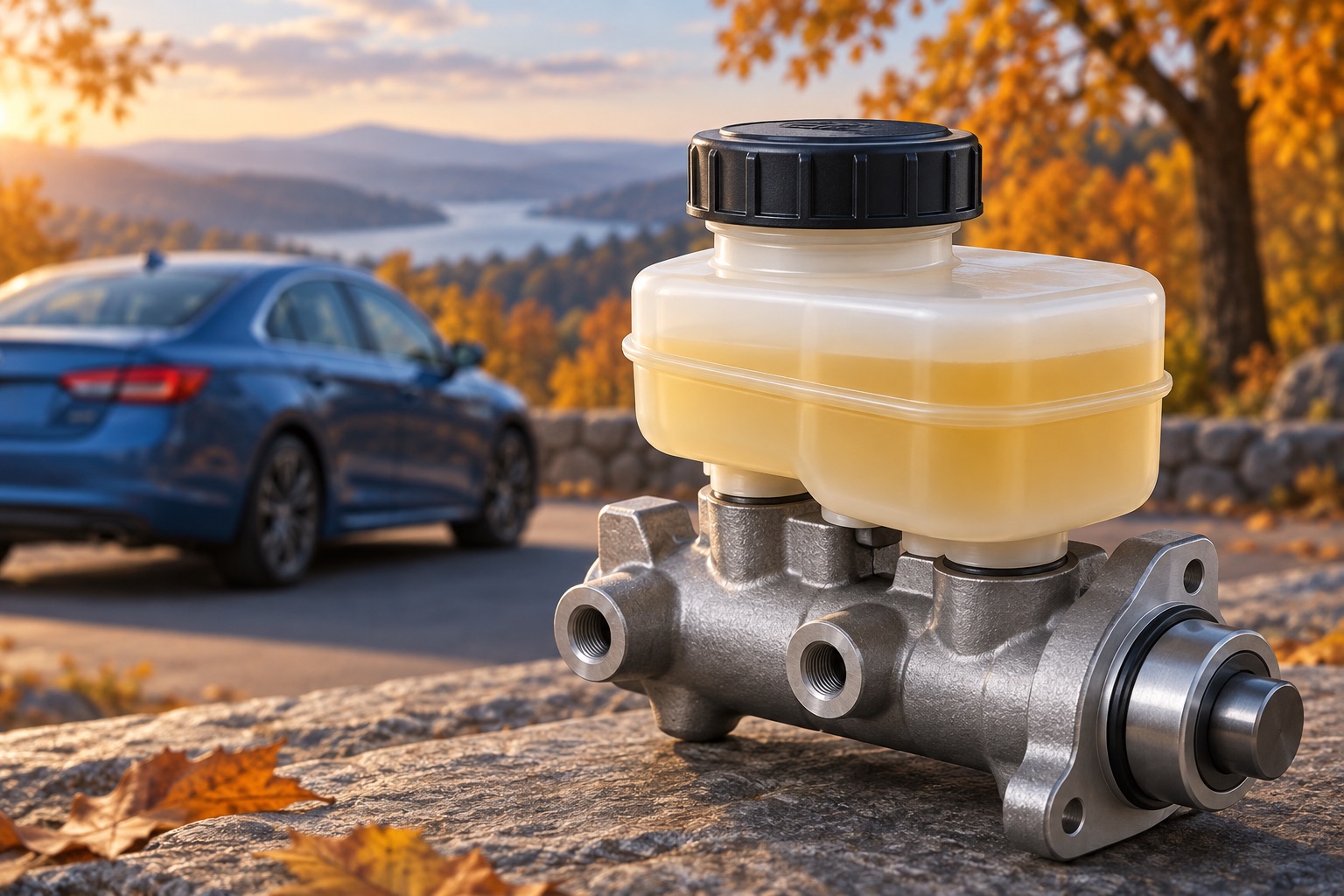
Featured image: AI-generated conceptual illustration of a capped brake-fluid reservoir and master cylinder, not a photograph of an Albion Auto repair or a vehicle-specific installation.
Common questions
Does a brake pad replacement include new brake fluid?
Do not assume it does. Check the invoice or ask the shop to identify whether fluid replacement was included in that appointment.
Can fluid colour tell me whether replacement is due?
Appearance is not a complete condition assessment. Use the vehicle’s maintenance guidance and ask what a professional check established.
Should I just top up a low reservoir?
Have the reason for the low level assessed. Repeated refills do not establish the cause or confirm that the braking system is working correctly.