When Should You Install Winter Tires in Ontario?
Use the forecast, your commute and the condition of your winter set to plan a timely changeover.
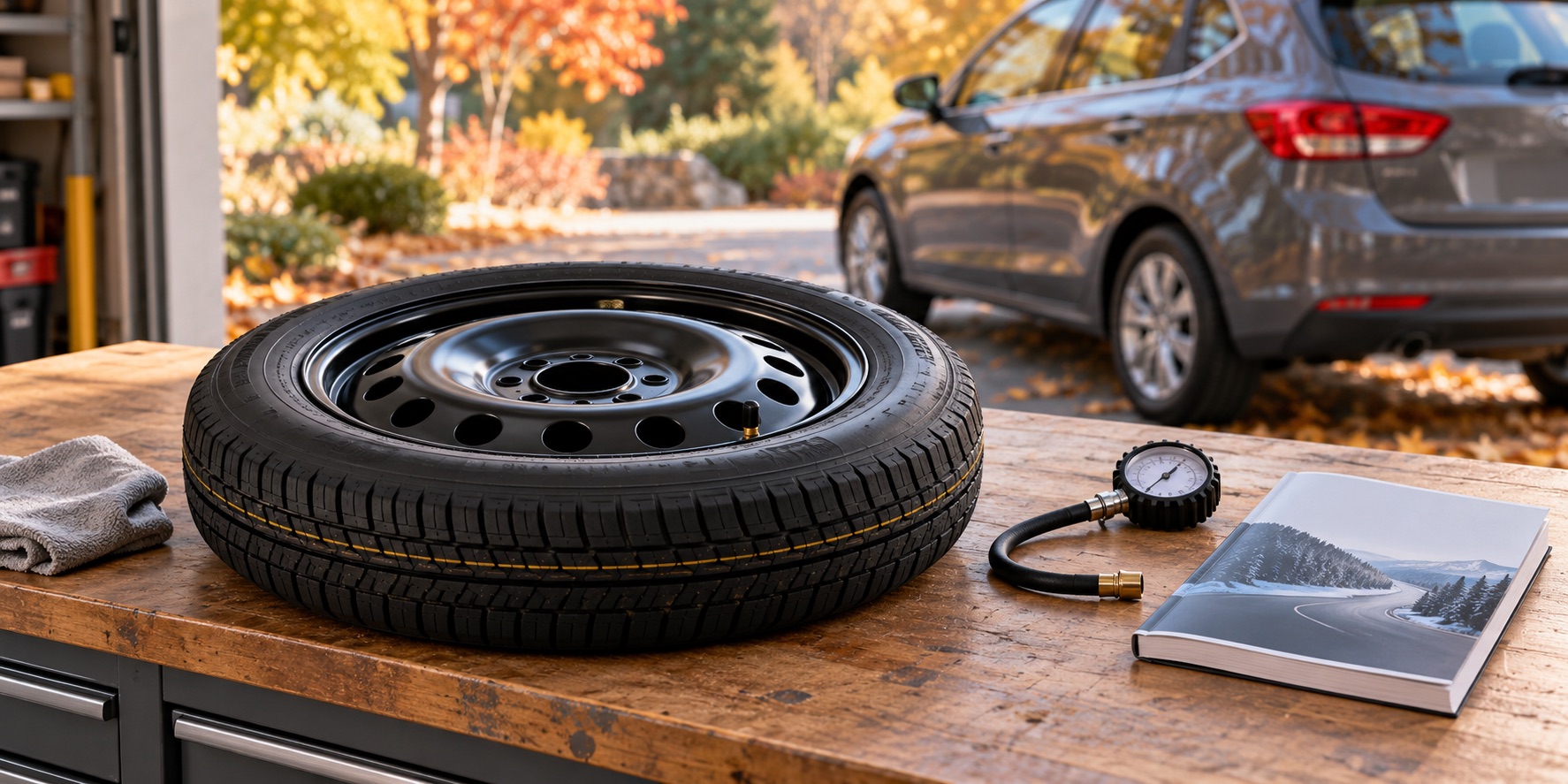
Plan winter tire installation around the approaching conditions and your driving pattern, rather than waiting for the first snowfall. In Bolton, that means thinking ahead about cold morning commutes, changing forecasts and the time needed to inspect and install the tires. A sudden change in weather is a poor moment to discover that the stored set needs replacement.
There is no single calendar date that fits every Southern Ontario driver. Someone leaving before sunrise on rural roads around Caledon has a different exposure from someone who can postpone driving when the forecast turns poor. The decision should consider both the season and the vehicle's actual use.
Use temperature as a planning guide
Transport Canada identifies temperatures below about 7°C as a point where all-season and summer tire compounds begin losing elasticity, while winter tires retain flexibility at lower temperatures. That is a useful planning guide. It is not a switch that makes every tire better or worse at precisely the same temperature in every road condition.
Look at the trend and the conditions during the hours you drive. A mild afternoon does not describe a cold early-morning trip. Forecast freezing temperatures, frost and the prospect of snow should bring the installation decision forward, especially if you cannot choose to stay home.
Book ahead when the seasonal change is approaching. You can discuss timing with the shop without assuming that every vehicle should change over on the same day.
Four suitable tires work as a set
Transport Canada recommends installing winter tires in sets of four. Winter driving involves braking and changing direction as well as getting moving. A pair of tires with substantially different grip characteristics can create an imbalance between the front and rear of the vehicle.
All-wheel drive does not remove the need for suitable tires. It can help distribute driving force, but the vehicle still relies on tire grip when slowing and steering. The presence of additional driven wheels should not be treated as permission to ignore the condition or suitability of the tires.
Correct fitment includes more than the number printed on the sidewall. Tire size, load capacity, wheel compatibility and vehicle requirements need to be checked together. An alternate winter wheel package should be selected for the specific vehicle, not simply because it can be bolted on.
Check the tires before the appointment
A stored set deserves an inspection before it returns to service. Look for visible cuts, bulges, cracking, unusual wear and anything embedded in the tread. If a tire repeatedly lost pressure last season, mention that when booking. An unresolved leak should not be accepted as a normal part of using an older set.
Tread depth needs to be assessed across each tire, not at one convenient spot. A tire can have an apparently usable centre section while the shoulders show substantial wear. The expected winter performance also matters; a tire approaching the end of its useful tread is a different proposition from a newer one even if both hold air.
Do not use age as the only assessment either. Storage, condition and manufacturer guidance all matter. If you are unsure, have the set inspected before committing to another winter.
Understand what the sidewall tells you
The three-peak mountain snowflake symbol indicates that a tire meets specified snow-traction performance requirements. It is more informative for winter suitability than relying only on a product name. However, it does not mean that every tire carrying the symbol behaves identically on ice, slush or dry pavement.
Compare products for the conditions you actually encounter. Explain whether you mainly drive cleared urban roads, highways or less frequently cleared rural routes. Also mention towing, heavier loads and any vehicle-specific fitment constraints. The correct choice combines the required specifications with a sensible assessment of use.
Avoid treating a label as a substitute for checking the actual tires. A suitable design that is worn, damaged or incorrectly inflated cannot provide the same result as a serviceable set installed correctly.
Seasonal installation is an inspection opportunity
With the wheels removed, the shop may be able to identify visible concerns involving brakes, wheel mounting surfaces or nearby suspension components. It is an opportunity to document what can be seen, not a claim that a seasonal changeover replaces a full inspection.
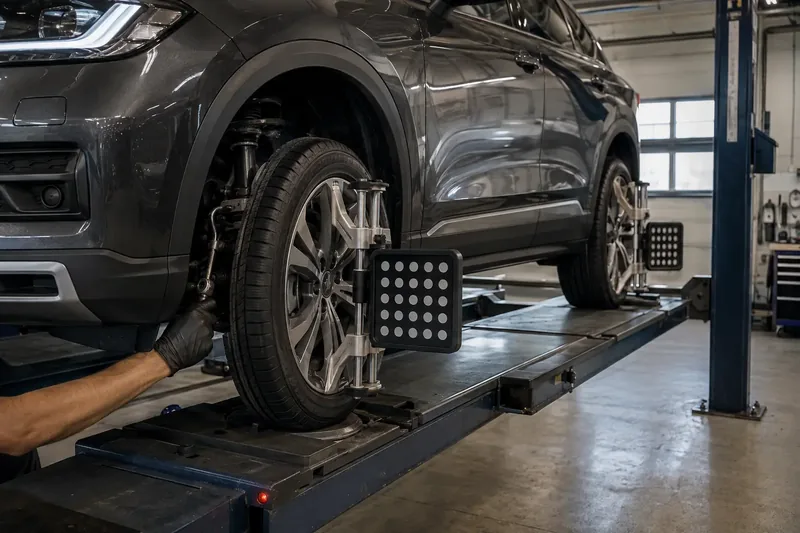
If the previous tires show uneven wear, ask what that pattern suggests. Alignment can be one cause, but inflation, worn components and the tire itself may also require attention. Putting different tires on the vehicle can hide the evidence temporarily without correcting the underlying problem.
Wheel mounting and tightening should follow the vehicle and wheel requirements. There is no universal wheel torque that should be applied to every car or truck. Any recommended follow-up torque check should follow the instructions given for that installation.
Expect pressure changes as weather changes
Check pressures when the tires are cold and use the vehicle's specified values for the fitted tires and load. The maximum pressure marked on the tire is not the normal inflation instruction for the vehicle. Temperature changes can affect pressure, making seasonal checks particularly useful.
A warning from the tire pressure monitoring system should be investigated. It may reflect low pressure, a leak or an issue with monitoring equipment. Do not assume it is harmless simply because the weather has turned colder.
If the vehicle uses separate wheels for winter, the shop should confirm the requirements for sensors and any relearn process. Those details vary by vehicle and equipment.
Make the changeover part of a plan
Before booking, note where the tires are stored, whether they are already mounted on wheels and whether there were vibration or pressure problems last season. This helps the shop allow the right time and identify anything that needs attention before installation.
Winter tires are one part of preparation. Wipers, washer fluid, battery condition, lighting and an appropriate emergency kit also deserve attention. None of those items replaces slowing down and adjusting following distance when conditions deteriorate.
For seasonal tire service, plan early enough to inspect the set and deal with any problems before you need it. That is more reliable than choosing a date solely because snow has appeared in the forecast.
Common questions
Should I wait for the first snowfall?
No. Plan ahead for cold conditions and allow time to inspect your tires and arrange installation.