Autumn Rain Visibility: Check Wipers, Washers and Lights
A clear view starts before the rain. Check wipers, washers and lights, and learn which observations help diagnose a visibility concern.
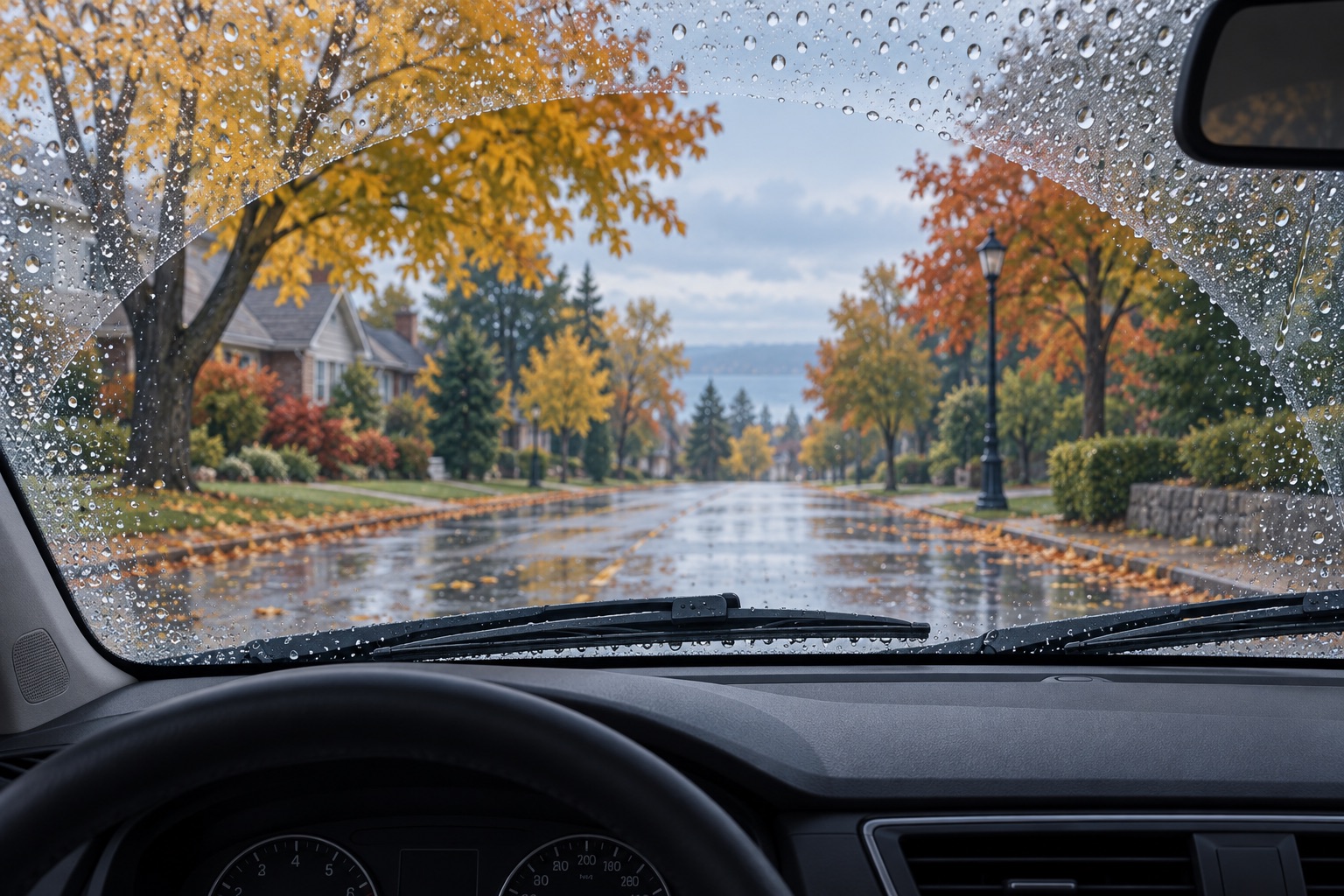
A windshield that looks clear in the driveway can become difficult to see through once rain, road spray and headlights enter the picture. Before autumn weather makes a routine trip around Bolton or Caledon more demanding, take a few minutes to check how your wipers, washers and lights are working together.
The useful question is not simply whether the wipers move. It is whether you have a clear, dependable view when you need it.
Check visibility before the next rainy drive
Make these checks while parked safely. Look through the glass from the normal driving position, rather than judging everything from outside the vehicle. Notice streaks, hazy areas and sections the blades are not clearing.
Inspect the blade edges for visible deterioration and check the vehicle handbook before lifting the arms. Some vehicles require a wiper service position. Avoid forcing an arm against the hood or letting a raised arm snap back against the glass.
Use the washer and wiper controls as directed by the handbook. Does fluid reach the glass? Do both blades clear their intended area? Does one section remain smeared after repeated passes? A short description of what happens is more helpful than deciding in advance which part must be replaced.
Streaks are a reason to inspect, not just wipe faster
Wipers are wear items, and their condition matters when rain reduces visibility. Michelin recommends checking them regularly for effective clearing. If you see damage or the blades no longer clear properly, arrange attention before poor weather makes the problem harder to manage. See Michelin’s wiper-check guidance.
Describe whether the concern is a narrow streak, broad smear, missed area or noisy movement. Those observations help focus an inspection of the blades and glass. Follow the vehicle and blade manufacturer’s cleaning instructions; do not experiment with solvents or abrasive products.
If the problem remains after appropriate cleaning, repeated wiping is not a repair. Have the cause checked rather than assuming every visibility problem needs the same replacement part.
Treat washer problems as a separate concern
A working blade cannot compensate for a washer system that does not deliver fluid properly. Record whether no fluid reaches the windshield, the spray is uneven, or the concern affects only one area. If the vehicle also has a rear washer, note its behaviour separately.
Check the handbook for the correct reservoir and suitable washer fluid. Product temperature ratings matter as colder weather approaches; choose a product appropriate to the conditions and follow its label. Avoid guessing at the contents of an unfamiliar reservoir.
If the supply is adequate but washing is still ineffective, ask for an inspection. Tell the shop what you observed instead of requesting a pump or another component based only on the symptom. For related intermittent controls or other electrical concerns, explore automotive electrical diagnosis.
Make sure other drivers can see you
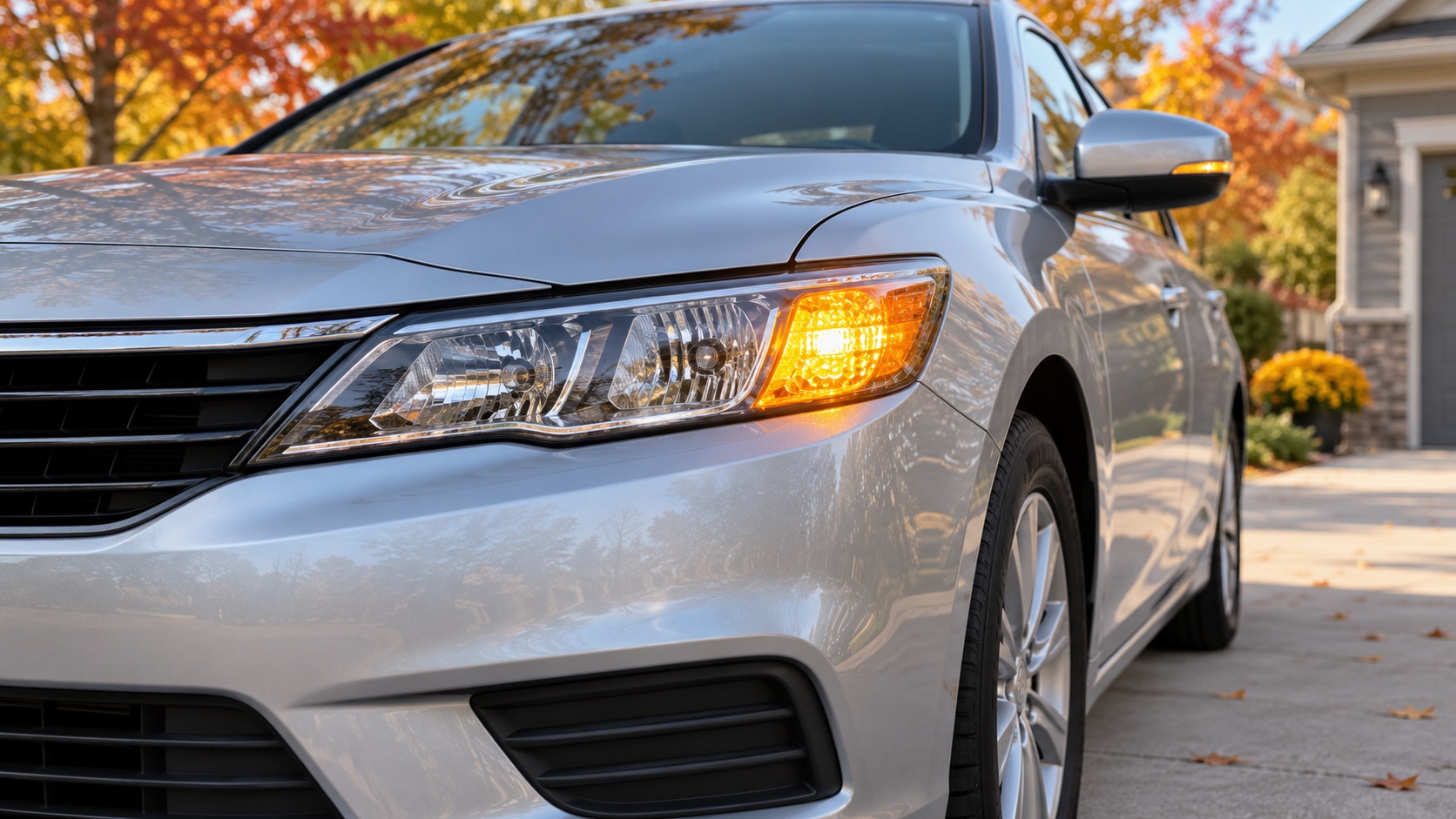
Visibility includes your vehicle’s lights as well as your own view. Transport Canada explains that automatic lighting responds to outside light levels, and that high beams can reflect off rain, fog or snow and make the view worse. Learn how your particular vehicle’s lighting controls work instead of relying on a bright dashboard as your only check. Read Transport Canada’s lighting guide.
Ontario’s driver handbook also emphasizes good wiper condition and adjusting driving to reduced visibility. Maintenance helps prepare the vehicle, but it does not make every weather condition safe. If visibility deteriorates, respond to the conditions and follow the handbook’s guidance. See Ontario’s advice for night and bad-weather driving.
Bring useful details to the appointment
You do not need a technical diagnosis before booking. Tell the shop:
- What you cannot see clearly and when it happens.
- Whether the problem occurs with rain, the washer, or both.
- Which part of the windshield is affected.
- Whether the wipers move normally or behave intermittently.
- What cleaning or maintenance has already been tried.
These details give the inspection a clear starting point. A digital vehicle inspection can help communicate documented findings and priorities. Ask what was found and what the recommended work addresses before approving repairs.
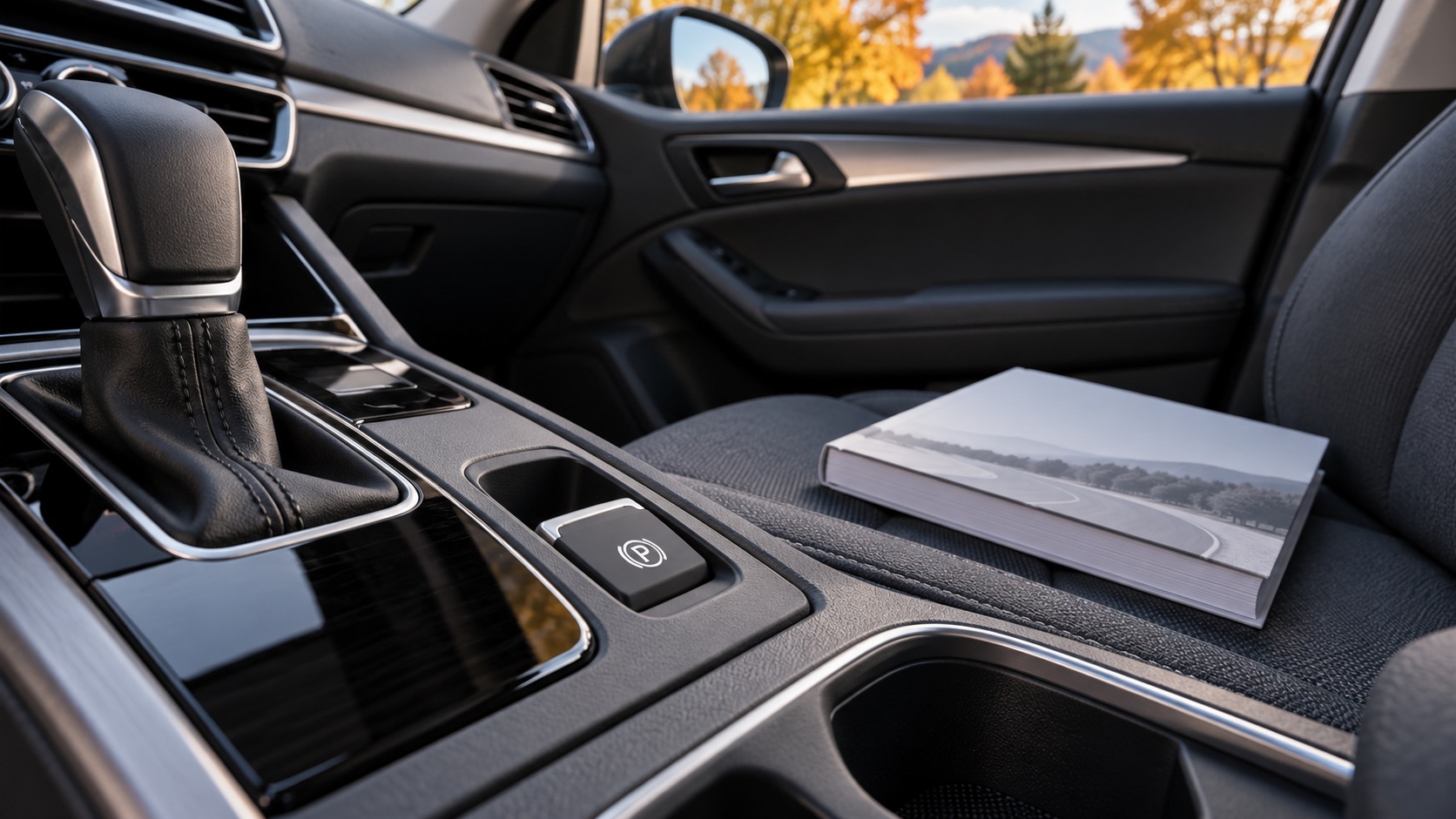
Featured image: AI-generated illustration; not a photograph of an Albion Auto customer vehicle or repair.
Common questions
Should I replace the wipers whenever I see a streak?
Check their condition and follow the recommended cleaning instructions first. Visible blade damage or persistent poor clearing deserves attention. The objective is to identify why the windshield is not clearing, rather than replacing parts without checking the result.
Can I assume automatic headlights handle every rainy situation?
Learn the operation and limitations of your vehicle’s system. Transport Canada notes that automatic lights respond to outside light levels. Check the handbook and make sure the appropriate lights are operating when conditions require them.
What should I book if I am unsure what is wrong?
Describe the visibility concern when you book an appointment. Include whether the wipers, washers or lights seem involved. That helps the shop determine the right first step.