Parking Sensors Beeping or Unavailable? Check Before Replacing
Record the warning, check the conditions and ask what the inspection confirms before choosing replacement parts.
A parking sensor that keeps beeping can be frustrating, especially when you cannot see an obvious obstacle. A message saying the parking aid is unavailable creates a different concern: a feature you normally use is no longer helping. Neither situation, by itself, identifies a sensor that needs replacement.
For drivers in Bolton and Caledon, the useful first step is to separate the warning from the diagnosis. Record what the vehicle actually displayed, consider the conditions and have a persistent concern assessed. Do not assume an unexpected alert is false until you have safely checked your surroundings.
First, keep the parking manoeuvre safe
Stop if you are uncertain about clearance. Do not continue backing toward an object to find out whether the beeps are accurate, and do not ask someone to stand behind the vehicle as a test target. If you cannot establish a clear path, leave the vehicle stopped and choose a safer way to complete the manoeuvre.
Ford's parking-aid precautions explain that the system assists at parking speeds and may miss small or moving objects. The guidance also warns that rain, snow, spray and blocked sensors can limit operation. Assistance is not a guarantee of clearance.
Use the precautions in your own vehicle's manual. A working camera image does not establish that every parking-assistance function is available. Read the actual message rather than treating all warnings near the camera display as the same problem.
Record the message, not just the beeping
When safely parked, write down the wording or take a photograph of the display. Note whether the concern involves front alerts, rear alerts, a particular indicated area or a message that the whole system is unavailable. Do not take photographs while driving.
These details help distinguish several different complaints. “It beeps as soon as I select reverse” is more useful than “the sensors are broken.” So is “the message appeared after a wash and returned the next morning.” Describe the observation without deciding in advance which component caused it.
Ford's parking-aid information messages distinguish a blocked-sensor message associated with weather, ice, mud or water from other system messages. That is an example of why the exact wording matters. Your vehicle may use different wording or instructions.
Check the accessible surfaces carefully
With the vehicle safely parked, consult the manual to identify the relevant sensor locations and the approved cleaning method. Look for an obvious accumulation on the accessible surfaces. Avoid dismantling the bumper or reaching underneath the vehicle to pursue a suspected obstruction.
The cited Ford precautions recommend keeping sensors clear of debris and warn against cleaning them with sharp objects. They also identify bumper-area accessories and sensor misalignment following damage as possible sources of false alerts. These are inspection clues, not proof that any one explanation applies to your car.
If ordinary cleaning in accordance with the manual clears a message, record that result. If it returns, tell the shop both what you found and what you did. Do not keep repeating a cleaning routine indefinitely while dismissing a recurring warning. A temporary improvement is useful information for the assessment, rather than a complete explanation of the fault.
Mention what changed recently
Think back to when the behaviour began. Was an accessory fitted? Was there a minor impact, bumper repair or other work nearby? Did the concern begin in a particular weather condition? An accurate sequence is more helpful than assuming the latest event must be responsible.
Bring any relevant repair invoice or accessory details. If the vehicle was purchased used and you do not know its repair history, say that. Avoid guessing whether a bumper has been repaired or which equipment is original; the shop can inspect what is actually fitted.
Also mention whether the issue happens in more than one location. You do not need to drive around deliberately trying to reproduce it. Simply describe the situations you have already encountered during normal use, including occasions when the system appeared to work normally.
Ask for evidence before choosing replacement parts
A useful inspection should explain what has been confirmed and what remains uncertain. Ask whether the finding accounts for the message or alert you reported. If the behaviour is intermittent and cannot be reproduced, ask what additional information would help the next assessment.
Before authorizing replacement, clarify:
- Which finding supports the recommendation?
- Does it explain the original complaint?
- Is any related work included, and why?
- How will operation be checked afterward?
Avoid ordering a replacement sensor solely because the display highlights one area. Give the repairer the vehicle details and let the diagnosis establish the appropriate work. If an estimate includes several items, ask for the reason behind each rather than treating the entire list as one unexplained repair.
Review the result after service
At collection, ask how the original concern was checked and whether any limitation remains. Keep the findings with the invoice. If the warning returns, share the exact message and conditions again, including what changed after the repair.
Our electrical repair information explains the service area. You can contact Albion Auto Service with the vehicle details and the parking-aid behaviour you noticed. Start with the observation, establish the cause and select the repair that the evidence supports.
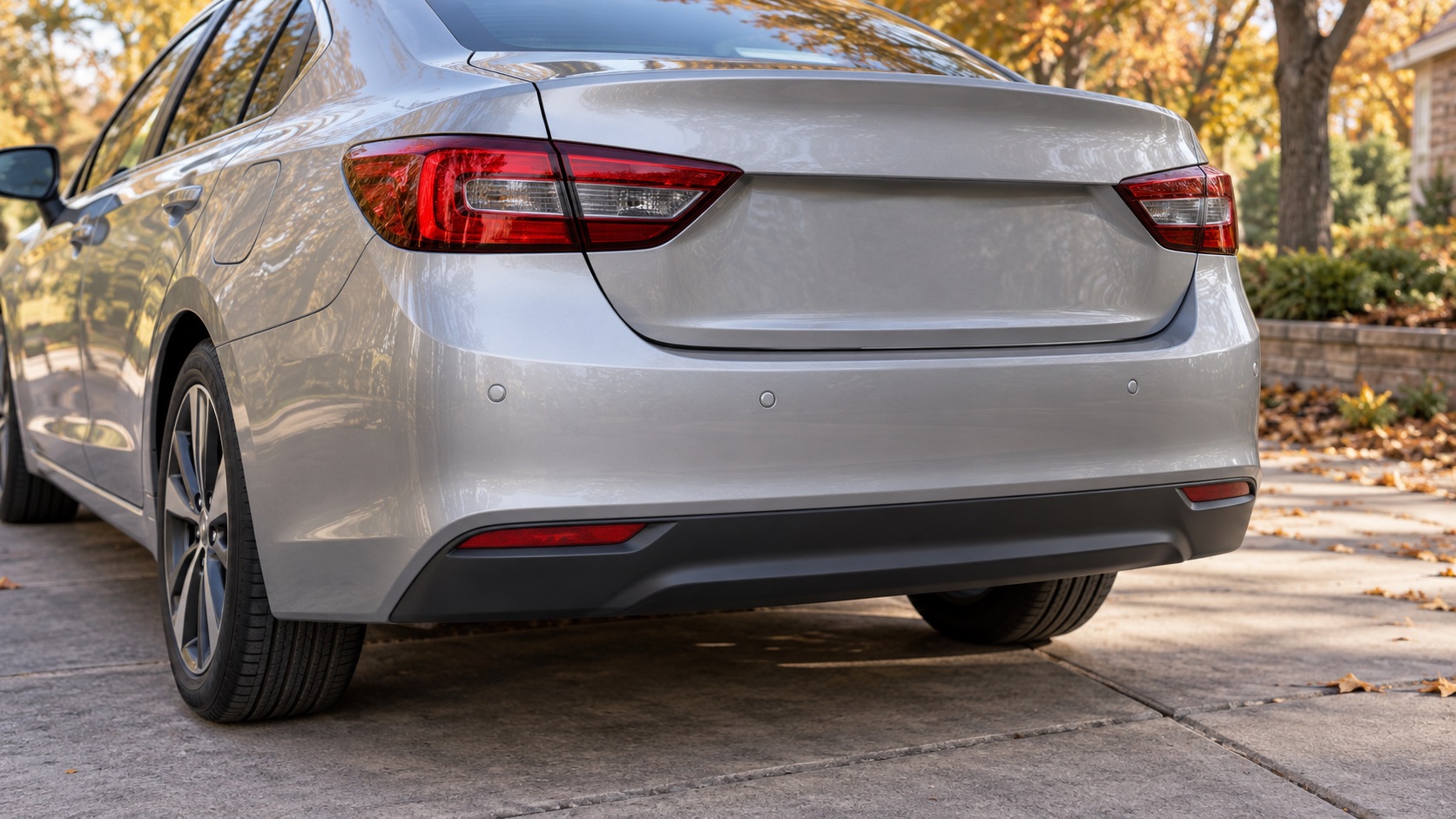
Featured image: AI-generated illustration of a generic parked car with rear parking sensors, not an Albion Auto shop or customer photograph.
Common questions
Does an unavailable message prove a parking sensor has failed?
No. Record the exact message and follow the vehicle manual. A persistent concern needs assessment before parts are selected.
What information should I provide when booking?
Include the message wording, when it appears, any recent bumper work or accessories, and what happened after any approved cleaning.
Should I test the system by backing toward something?
No. Do not use people or obstacles as test targets. Stop if clearance is uncertain and leave diagnostic testing to the repairer.