Why Are My Brakes Squealing? Start With an Inspection
Brake noise does not identify a failed part by itself. Learn what to tell the shop and how an inspection can turn a recurring squeak into a clear repair plan.
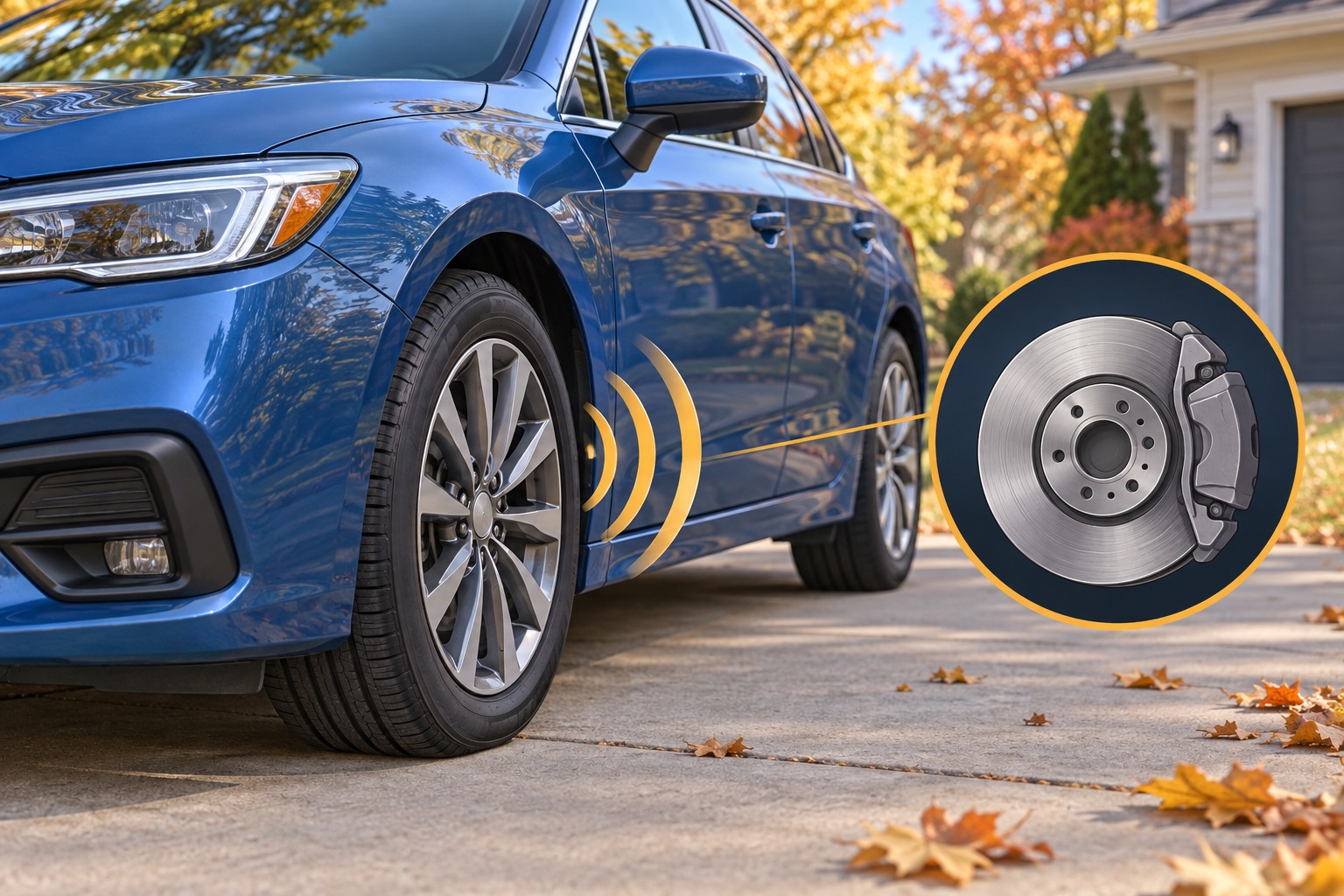
A squeak when you ease to a stop can be frustrating, especially when it comes and goes. It is tempting to assume the brake pads are worn out, or to dismiss the sound because the vehicle still seems to stop normally. Neither conclusion is reliable without an inspection.
For drivers in Bolton and Caledon, the useful starting point is to describe when the noise happens and have the braking system checked. The aim is to identify the cause, explain the condition of the parts and recommend work that addresses the findings.
A noise is a symptom, not a parts list
Brake squeal involves vibration, but the reason that vibration becomes audible can vary. Pad condition is one consideration; the condition and operation of the surrounding components matter too. Brembo explains that noise after a component replacement can come from other deteriorated parts in the braking system, rather than proving the new part is defective. See Brembo’s guidance on noises and vibrations.
That distinction changes the conversation at the service counter. Instead of asking only for new pads, explain the symptom and ask what the inspection shows. A replacement part is useful when it addresses an identified need; it is not a substitute for understanding the concern.
The same principle applies if a friend had a similar noise. Two vehicles can make similar sounds for different reasons. Their repair histories, components and operating conditions may be different.
Describe the pattern without trying to recreate it
You do not need technical vocabulary. A few observations from normal driving can give the technician a much clearer starting point:
- Does the sound happen while braking, while rolling, or both?
- Is it most noticeable on the first trip of the day or after driving for a while?
- Does it happen at a gentle stop, in reverse, or during a particular part of your usual trip?
- Did it begin after recent brake work or another service?
- Have you also noticed a change in pedal feel, stopping behaviour or a warning light?
Record what you have already noticed once safely parked. Do not handle a phone while driving or make repeated hard stops to demonstrate a noise. If someone has already captured a useful recording safely, share it with the shop, but treat it as supporting information rather than a diagnosis.
An intermittent symptom may not happen during every inspection. Tell the shop about its usual pattern, and ask what was checked if it could not be reproduced. “We could not hear it today” and “we identified and corrected the cause” are different findings.
Know when to stop driving
Noise accompanied by reduced braking ability, a major change in pedal feel, strong pulling, smoke or a concerning warning light needs prompt attention. If braking feels unsafe, stop in a safe place and arrange assistance rather than continuing to the shop. Follow the vehicle handbook’s instructions for brake warnings.
Grinding or a persistent new noise also warrants an inspection; do not assume it is harmless because a previous squeak disappeared. Bendix lists excessive squeal, grinding, groaning and rattling among symptoms that need attention. Its brake-problem guide also discusses changes in pedal behaviour and pulling.
A written article cannot establish whether a particular vehicle is safe to drive. When you call, describe any braking changes along with the sound so the shop can discuss the appropriate next step, including whether the vehicle should be transported.
What a useful brake inspection should explain
A helpful inspection produces findings you can understand, not just a label such as “noisy brakes.” Ask which components were checked, what condition was found and why the proposed work is appropriate.
Bendix’s technical guidance discusses checking rotor surface condition and the parts that support and control pad movement. Its article on diagnosing brake noise shows why focusing on a single component can miss relevant conditions elsewhere in the assembly.
For a vehicle owner, the practical questions are straightforward: what was measured, how does that compare with the applicable specification, and what evidence supports replacement or further investigation? Avoid relying on a universal thickness number or a photograph alone. The relevant specifications and the full inspection matter.
Ask the shop to distinguish between a confirmed fault, a worn component and an item that needs monitoring. They are not interchangeable. You should be able to understand both the recommendation and any remaining uncertainty before authorizing additional work.
If the noise started after a repair
Contact the shop that performed the work and explain when the noise began. Provide the repair date and describe whether braking behaviour has changed. Give the technician an opportunity to inspect the vehicle rather than assuming the solution is another set of pads.
Ask whether there are vehicle-specific instructions you should follow. Do not borrow an aggressive bedding-in procedure from an unrelated online video: different brake products and vehicles can require different guidance. The instructions supplied for the actual repair are the appropriate starting point.
Keep the invoice and any inspection report. Those records help the next conversation stay focused on what was fitted, what was checked and what has happened since.
Make the appointment about clear answers
When arranging brake repair and inspection in Bolton, start with the symptom, not a predetermined list of parts. Mention recent work and any change in pedal feel or stopping performance.
A digital vehicle inspection can help communicate findings through photos and technician notes. Ask how those findings relate to the noise and what will be checked after approved work is completed. That gives the visit a clear purpose: investigate the concern, explain the evidence and verify the result.
*Featured image: AI-generated illustration, not a photograph of an Albion Auto customer vehicle or repair.*
Common questions
Does brake squeal always mean I need new pads?
No. Noise alone does not identify the cause. Pad condition and the surrounding components need inspection before deciding what work is appropriate.
Can I drive if the brakes are noisy?
Noise alone cannot establish that a vehicle is safe. If braking ability or pedal feel changes, or braking feels unsafe, stop safely and arrange assistance. Report persistent new noise to the shop.
What if the noise started after new brakes were installed?
Contact the shop that performed the work. Explain when the noise occurs and whether braking behaviour has changed, and follow the instructions for the actual vehicle and components.