Wet Carpet in Your Car? Record the Pattern Before Replacing Seals
A wet footwell identifies where moisture collected. The weather, parking conditions and first visible wet area help an inspection establish how it got there.
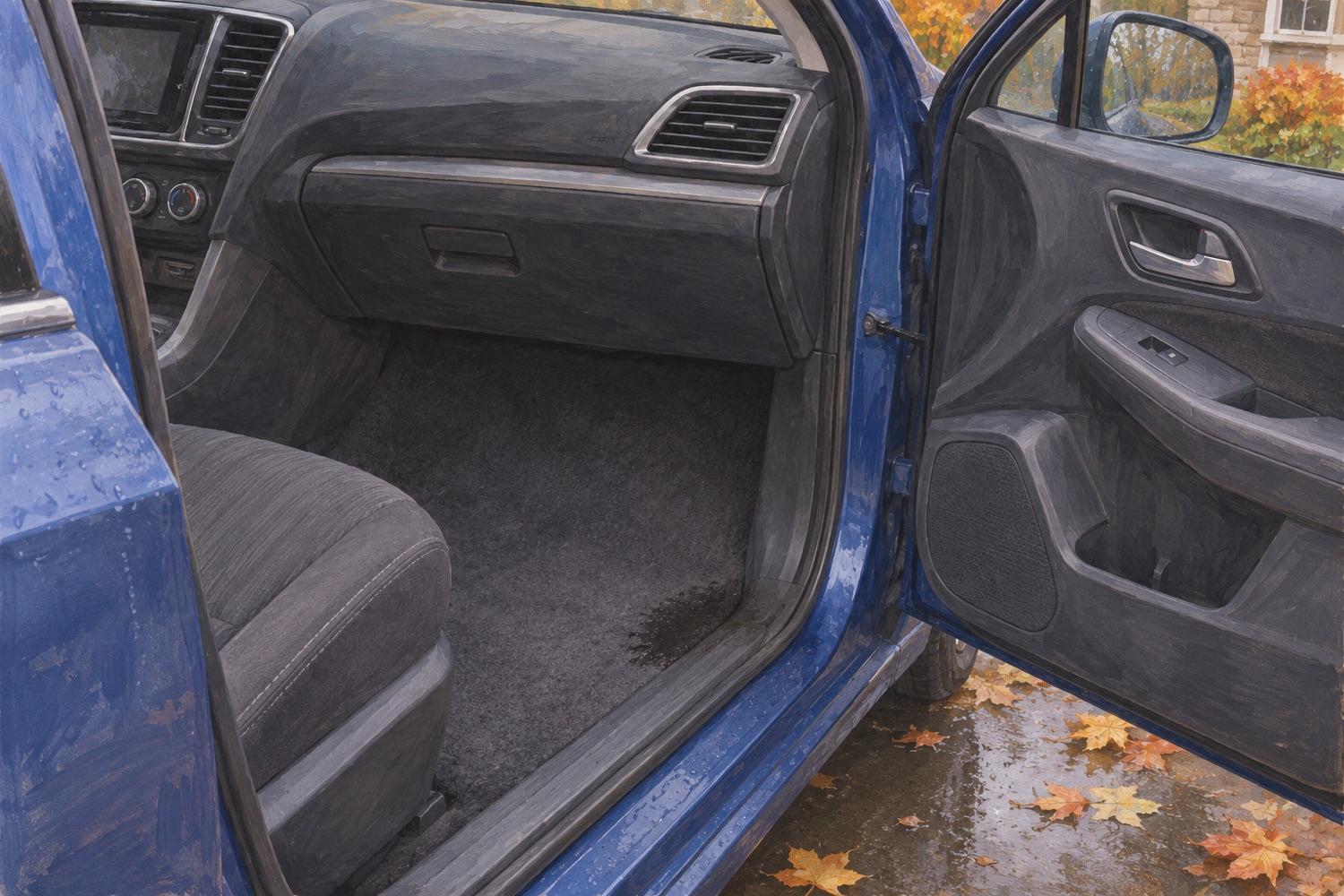
A damp mat after a snowy trip is easy to understand. Carpet that becomes wet again while the car sits unused deserves a closer look. Before buying a door seal or booking a windshield replacement, record where the moisture appears and what happened beforehand. The place where water collects may be some distance from where it entered.
For Bolton and Caledon drivers, alternating rain, snow and thawing weather can make the pattern hard to follow. A few dated observations can help the shop reproduce the concern without relying on a guess.
Start with a picture before drying
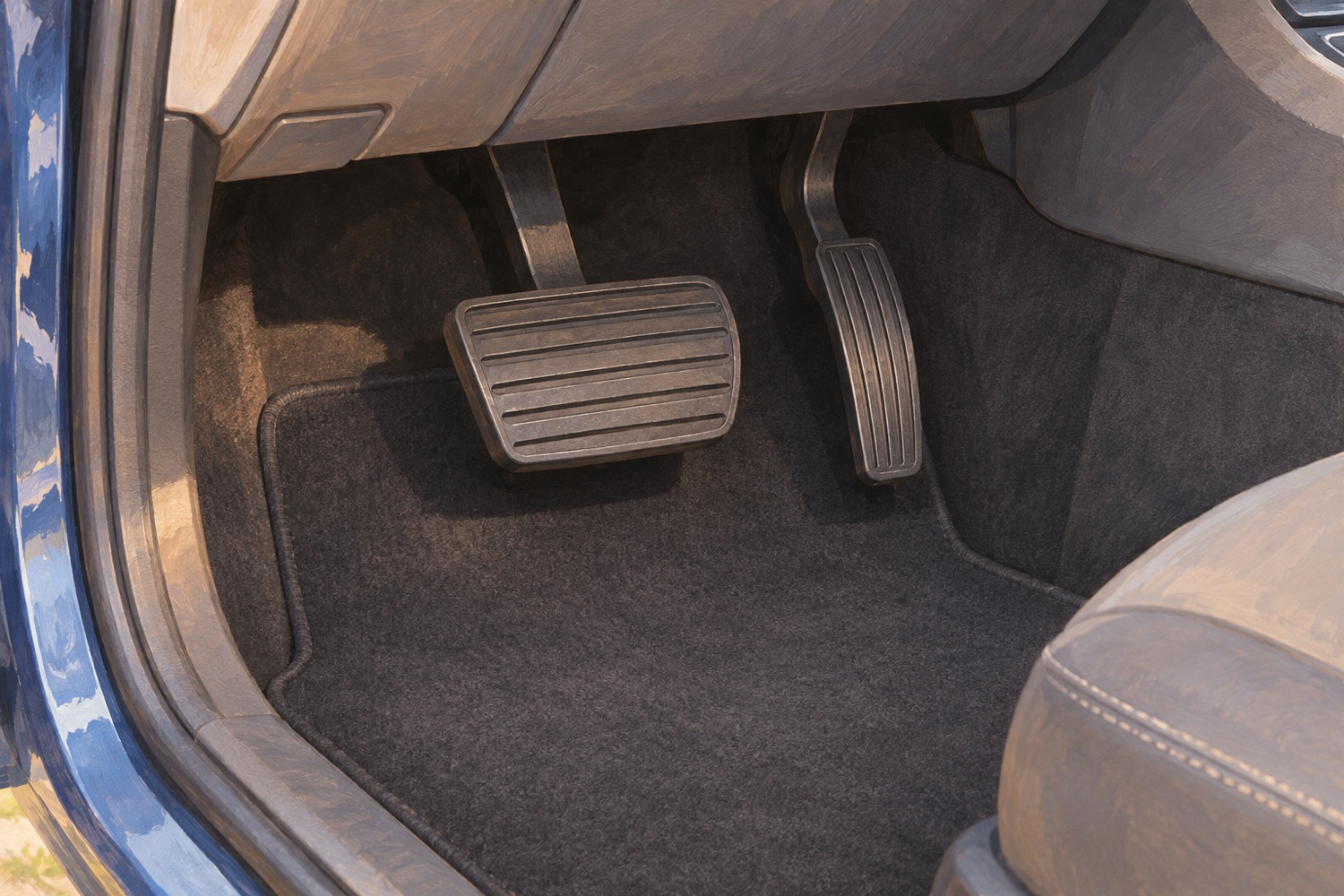
With the car securely parked, photograph the affected area before cleaning. Include a wider view that identifies the seating position and a closer view of the wet edge. Note whether the moisture is on top of the removable mat, beneath it, along the door sill or farther inward. If another footwell is also damp, record that too.
Look at accessible trim and the headliner for visible staining or droplets. Leave trim panels, seats and electrical connections in place. The goal is to preserve useful observations without disturbing the route the water may have taken.
Remove wet personal items and removable mats for drying when practical. Keep a record of what you removed. Drying the visible surface helps with cleanup, but it cannot establish that the underlying carpet padding is dry or that the entry path has been repaired. Persistent saturation needs professional assessment.
Separate tracked-in moisture from a recurring pattern
Think about the last time the area was known to be dry. Was the vehicle driven with wet boots aboard? Did a drink spill or a snow-covered bag sit on the floor? Was a window or roof opening left partly open? Report those possibilities plainly.
Then note what happened while the vehicle was parked. Carpet that becomes wet after rain with nobody entering the car creates a different observation from moisture confined to the top of a mat after passengers climb in. Neither pattern alone proves which part has failed, but it changes where an inspection should begin.
Include whether the car was parked level or on a slope and which direction it faced. If the concern follows a car wash, mention the type of wash and when you noticed the wet area. Avoid repeatedly soaking the vehicle yourself to reproduce the leak. Adding more water can increase damage and make the original entry route harder to identify.
Why a sunroof is only one possibility
A vehicle with a sunroof has drainage components that may need inspection when cabin water appears. Manufacturer service information includes examples involving drain tubes, connections and sealing areas. Those examples demonstrate possible paths on specific vehicles. They do not identify the cause on every car with wet carpet.
A car without a sunroof can also develop a water leak. Glass sealing areas, body seams and other entry paths may need assessment according to the vehicle design and the observed conditions. The presence of water near a door does not automatically mean the door weatherstrip needs replacement.
Avoid pushing wire into a drain or blasting it with compressed air based on a generic online suggestion. The correct access and procedure depend on the design. Ask the technician what inspection confirmed before approving a drain repair, seal replacement or glass removal.
Share recent work and earlier damage
Tell the shop about windshield replacement, collision repairs, roof work or door repairs, even if the wet carpet appeared later. Include the date and any paperwork. Recent work can help narrow the inspection, but it should be treated as context rather than an automatic explanation.
If you bought the vehicle used, report any previous water staining you noticed. A stain can remain after an earlier problem was repaired, so distinguish old marks from fresh moisture. If you cannot tell which is which, say so and let the inspection establish the condition.
Record any unusual smell or visible residue without touching or tasting an unknown liquid. If the concern comes with coolant loss, an overheating warning or a strong fuel smell, report that immediately and follow the vehicle’s warning guidance. A wet floor should not automatically be treated as rainwater.
Electrical symptoms raise the urgency
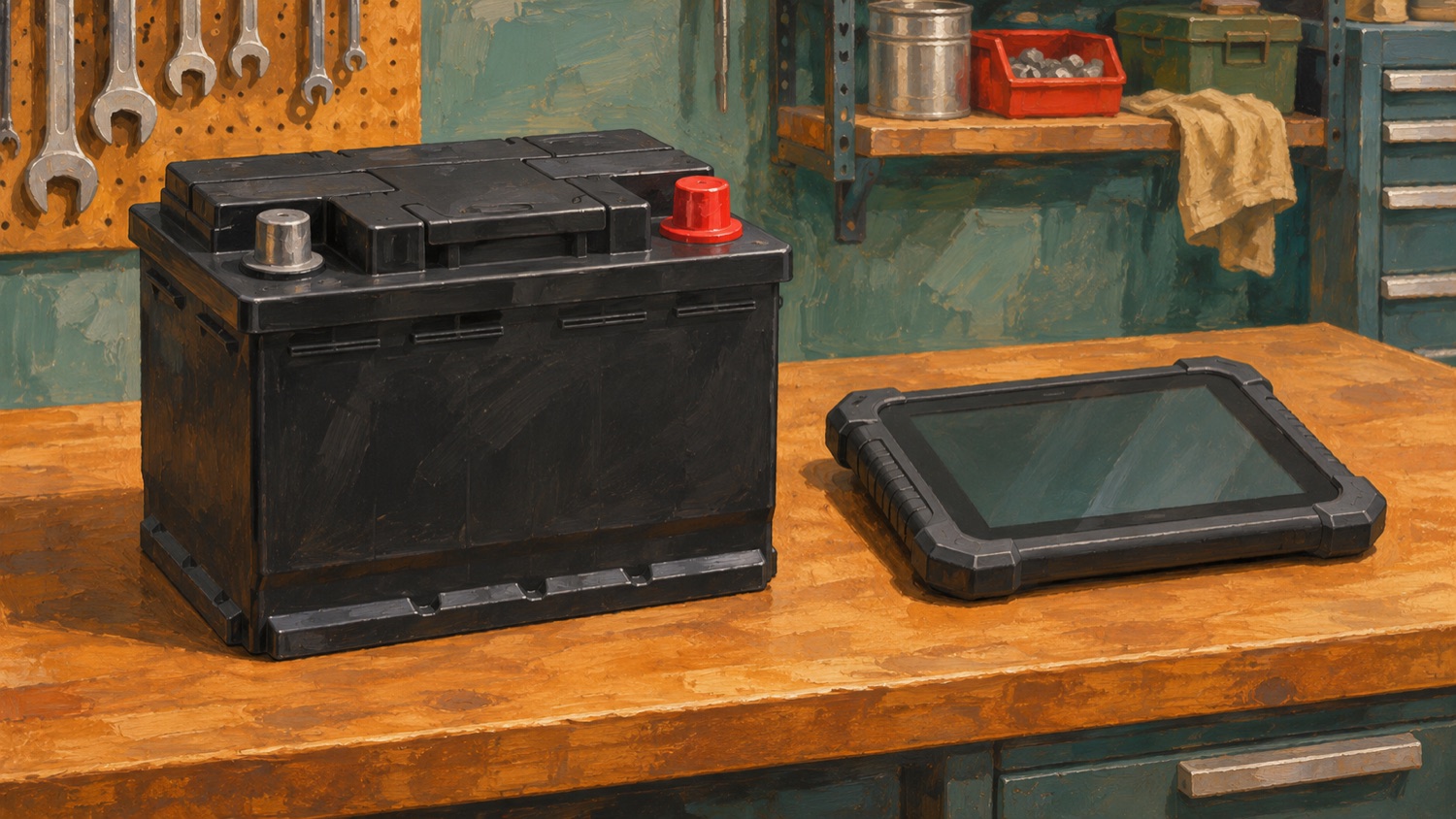
If dampness appears alongside new warning messages, malfunctioning accessories or a starting problem, tell the shop about both. Some manufacturer bulletins describe water reaching electrical areas on particular models. This makes the relationship worth investigating, without proving that a control module needs replacement.
If you see water near exposed wiring or electrical equipment, avoid operating or disconnecting those components yourself. Arrange professional advice about moving the vehicle. Smoke, burning smells or other immediate hazards require stopping use and seeking assistance.
Keep photographs of warning messages taken while safely parked. The timing matters: note whether the warning appeared before the leak, during heavy rain or after the interior became wet. A drying period that changes a symptom is a clue to report, not confirmation that the problem is resolved.
Ask how the repair will be verified
A useful repair recommendation should explain the confirmed entry point, the path to the wet area and the work needed to correct it. Ask how the technician reproduced the leak and how the same area will be checked afterward. Manufacturer bulletins can guide diagnosis when they apply, but the vehicle still needs a matching finding.
Also ask what drying or cleanup is required beneath the visible carpet and whether nearby components need assessment. Fixing the entry point and dealing with retained moisture are both part of addressing a saturated interior.
Drivers in Bolton and Caledon can review Albion’s vehicle services or contact the shop with photographs, weather notes and recent repair history to discuss the appropriate inspection.
*Featured artwork is an AI-generated illustration.*
Common questions
Does wet carpet beside a door prove the door seal is bad?
No. Water can travel before collecting. The entry point needs to be confirmed before choosing a repair.
Should I clear a sunroof drain myself with wire?
Use the manufacturer’s procedure and appropriate professional assistance. An improvised probe can damage or disturb the drainage system.
What information helps most when booking?
Give the wet location, when it was last dry, the weather and parking conditions, recent glass or body work, and any accompanying electrical symptoms.