Regenerative Braking Feels Different in the Cold? Check the Conditions
Battery conditions and settings can affect regenerative slowing. Read the exact message, stay ready to brake and investigate concerns before choosing repairs.
An electric vehicle may feel different when you lift off the accelerator on a cold morning. If you normally notice strong slowing from regenerative braking, a change can be surprising. The first question is what the vehicle's manual and displayed message say about the conditions—not which part to replace.
For drivers in Bolton and Caledon, understanding that distinction is useful as colder mornings arrive. It is equally important not to explain away a braking concern as normal winter behaviour without checking the facts. Reduced regenerative slowing and a fault affecting the vehicle's brakes are not interchangeable descriptions.
Keep control of stopping first
Always be ready to use the brake pedal to slow or stop as required by traffic and road conditions. Do not assume that releasing the accelerator will produce exactly the same deceleration on every trip. Tesla's Model Y guidance explicitly warns drivers not to rely on regenerative braking or a selected stopping mode to guarantee a stop.
If the vehicle does not brake as expected, follow its immediate safety instructions, bring it to a safe stop and arrange assistance. Do not continue driving to collect more examples of a potentially unsafe condition. A warning directing you to stop or seek service takes priority over a general explanation about cold batteries.
Avoid changing unfamiliar settings while moving. Read the relevant manual sections while parked, and make sure another regular driver understands the vehicle's controls too. Familiarity with a previous EV does not establish how a different model will respond.
Understand what can change with battery conditions
Regenerative braking recovers energy as the vehicle slows. In its manual for 2020–2024 Model Y vehicles, Tesla explains that regenerative deceleration can vary with battery state and may be limited when the battery is cold or fully charged. That is a documented operating condition for the vehicle covered by the manual, not a diagnosis of every EV braking complaint.
Record the displayed charge level, approximate outside temperature and whether the car had been parked for an extended period. Note any limitation message exactly as shown. These details give the service provider a better starting point than a description such as “the brakes are weak in winter.”
Do not deliberately run down the battery or alter charging targets to investigate a braking symptom. Follow the charging guidance for your vehicle and discuss the observation with the appropriate service provider. The purpose of recording conditions is to support an assessment, not to create a road test of your own.
Check the settings for the exact vehicle
Regenerative-braking controls vary between vehicles and versions. Hyundai's published guidance for the system covered by its 2026 manual explains that the selected drive mode affects the available regeneration adjustment range. It also identifies situations in which paddle adjustment is unavailable. A control that does not respond as expected therefore needs to be interpreted using the correct instructions.
Identify your model year and the settings currently selected while safely parked. If software has recently changed, record that fact along with what you noticed. Do not assume that a setting shown in an online video exists on your car or behaves the same way.
Keep a distinction between a change you selected and a change the vehicle reported. If another driver used the car, check the current configuration without assigning blame. A clear account of the starting settings can prevent unnecessary parts discussions and make any remaining concern easier to describe.
Separate the observations in your service request
Describe what happened when you released the accelerator separately from what happened when you pressed the brake pedal. Mention whether there was a displayed message, an unusual sound, pulling, vibration or a change in stopping performance. Do not combine these observations into a single assumed cause.
A useful note might identify the time, charge level, weather and exact warning, followed by a plain description of the behaviour. It should not claim that the battery, brake pads or a control unit is faulty unless that has actually been established. Photographs of messages should be taken only after parking safely.
If the concern occurred after recent work, include the invoice and explain the timing. That history may be relevant without proving that the work caused the change. Tell the technician whether the issue was present beforehand and whether you have already changed any settings or cleared a message.
Regeneration does not remove brake-maintenance needs
Tesla's Model Y guidance notes that reduced use of the brake pads does not prevent rust and corrosion from accumulating, particularly where winter road salt is used. It also calls for brake inspections. The maintenance requirements should come from the exact vehicle's schedule and condition, rather than an assumption that an EV's friction brakes never need attention.
Ask what the inspection found if brake service is recommended. Where applicable, request measurements and an explanation of the condition being addressed. A general statement that EVs use regeneration is not evidence that a particular vehicle's pads, rotors or other components are healthy.
Do not attempt aggressive braking or an improvised cleaning procedure to cure a noise. Ask for the appropriate assessment and follow the manufacturer's instructions. Our article on brake-pad inspection explains why replacement decisions should be supported by findings.
Ask what establishes normal operation or a fault
A useful assessment should explain whether the reported behaviour matches the manufacturer's described limitations, whether a setting accounts for it, or whether further diagnosis is needed. Ask which evidence supports that conclusion and what remains unverified if the symptom could not be reproduced.
If a repair is recommended, ask how it relates to the original concern and how the result will be checked afterward. Do not approve battery or braking components solely because an online account sounds similar. Similar symptoms can occur under different conditions, and the vehicle details matter.
Review our service information or contact Albion Auto Service with the vehicle details and exact concern to discuss the appropriate next step. Follow any immediate warning instructions and arrange manufacturer or specialist assistance when the vehicle requires it.
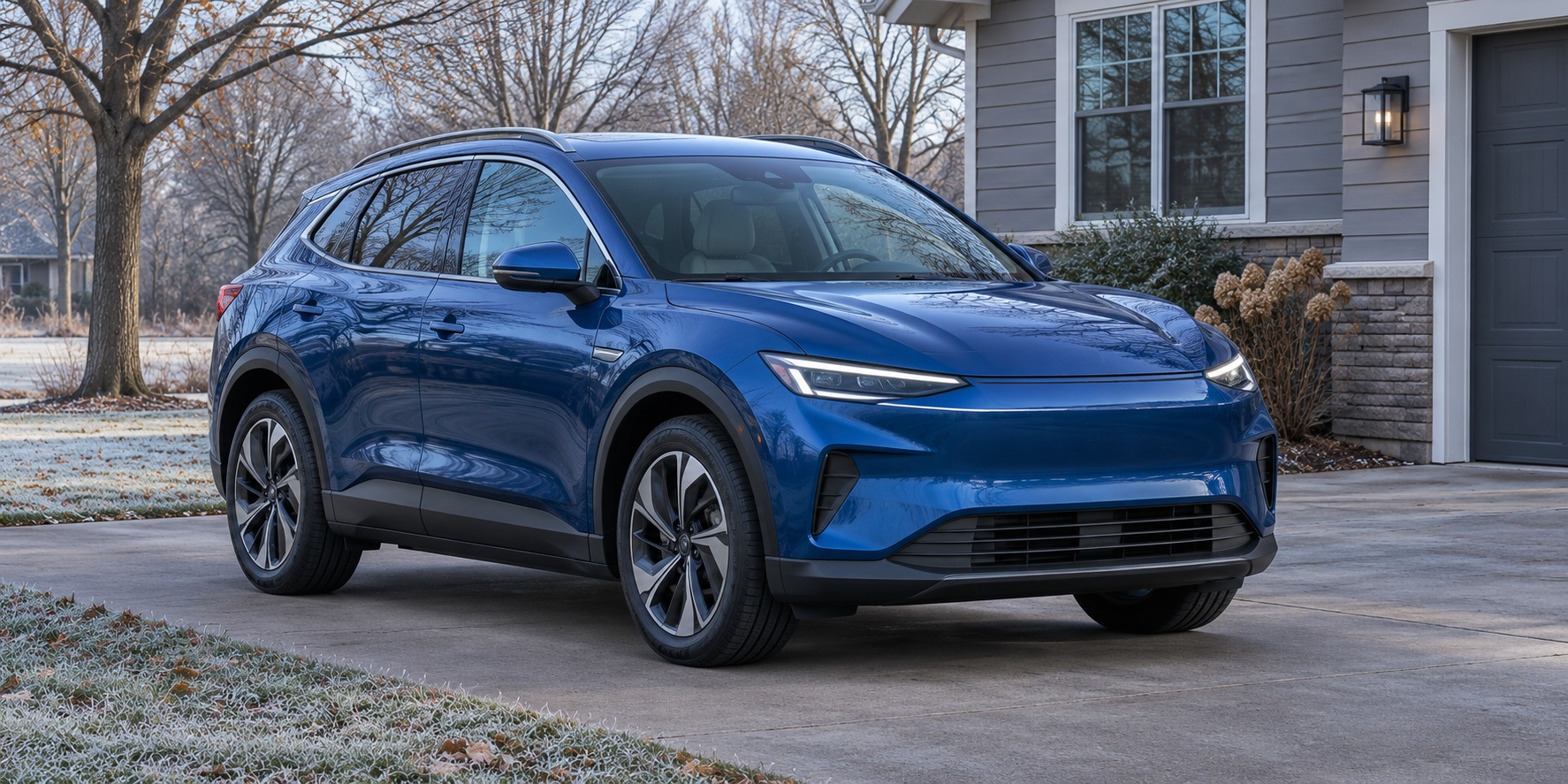
Featured image: AI-generated illustration of a generic parked electric crossover on a cold morning. It is not an Albion Auto shop or customer photograph and does not demonstrate braking performance or a diagnosed fault.
Common questions
Can cold weather reduce regenerative braking?
Some manufacturers describe reduced regeneration with a cold battery. Consult the manual and exact message for your vehicle; do not assume every braking concern is normal.
Can I rely on lifting off the accelerator to stop?
Remain ready to use the brake pedal as traffic and conditions require, following your vehicle instructions.
Do EV friction brakes still need inspection?
Yes. Follow the vehicle maintenance guidance and have concerns assessed; regenerative braking does not establish that the friction brakes are in good condition.